A new idea in 1986
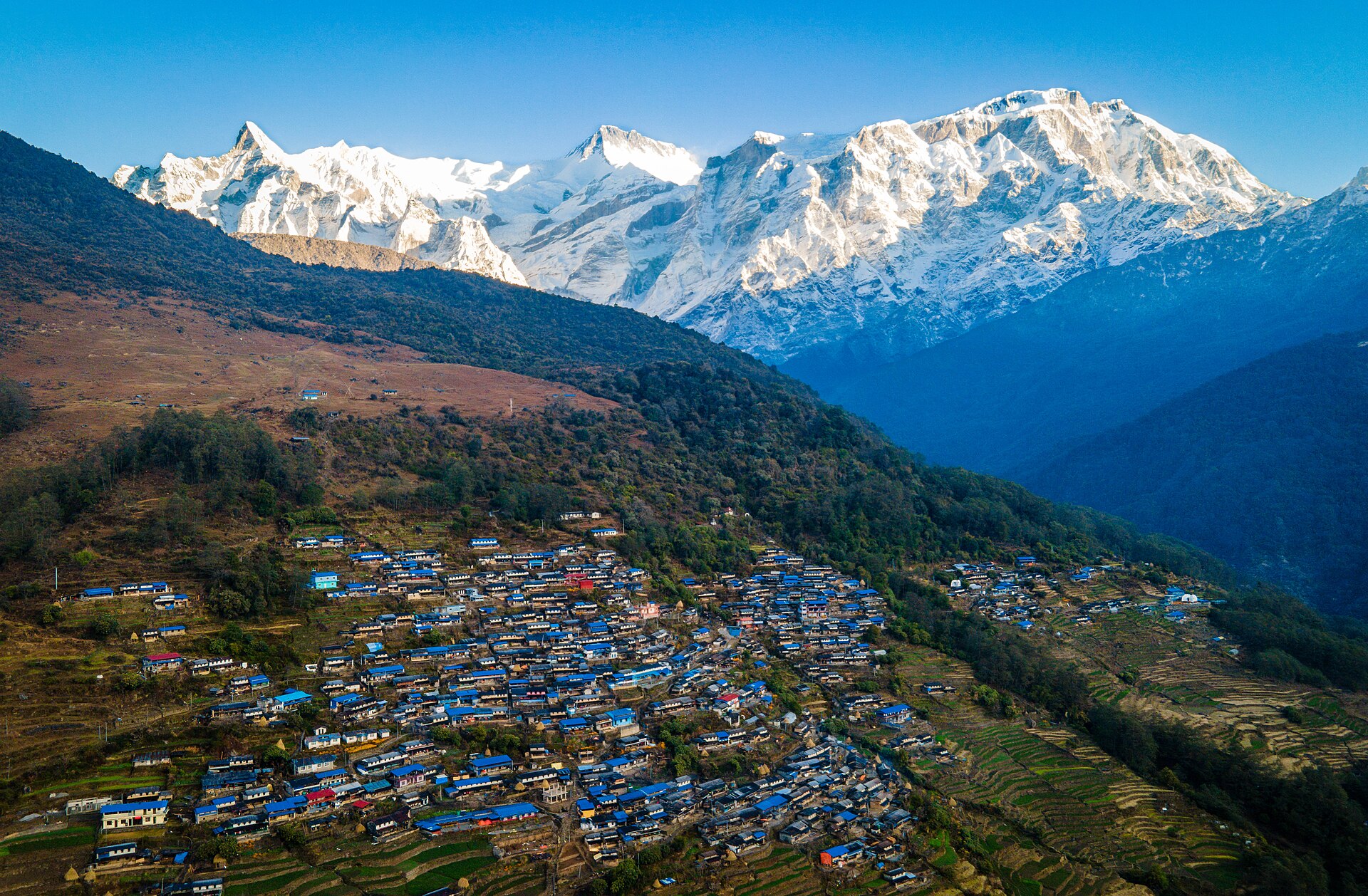
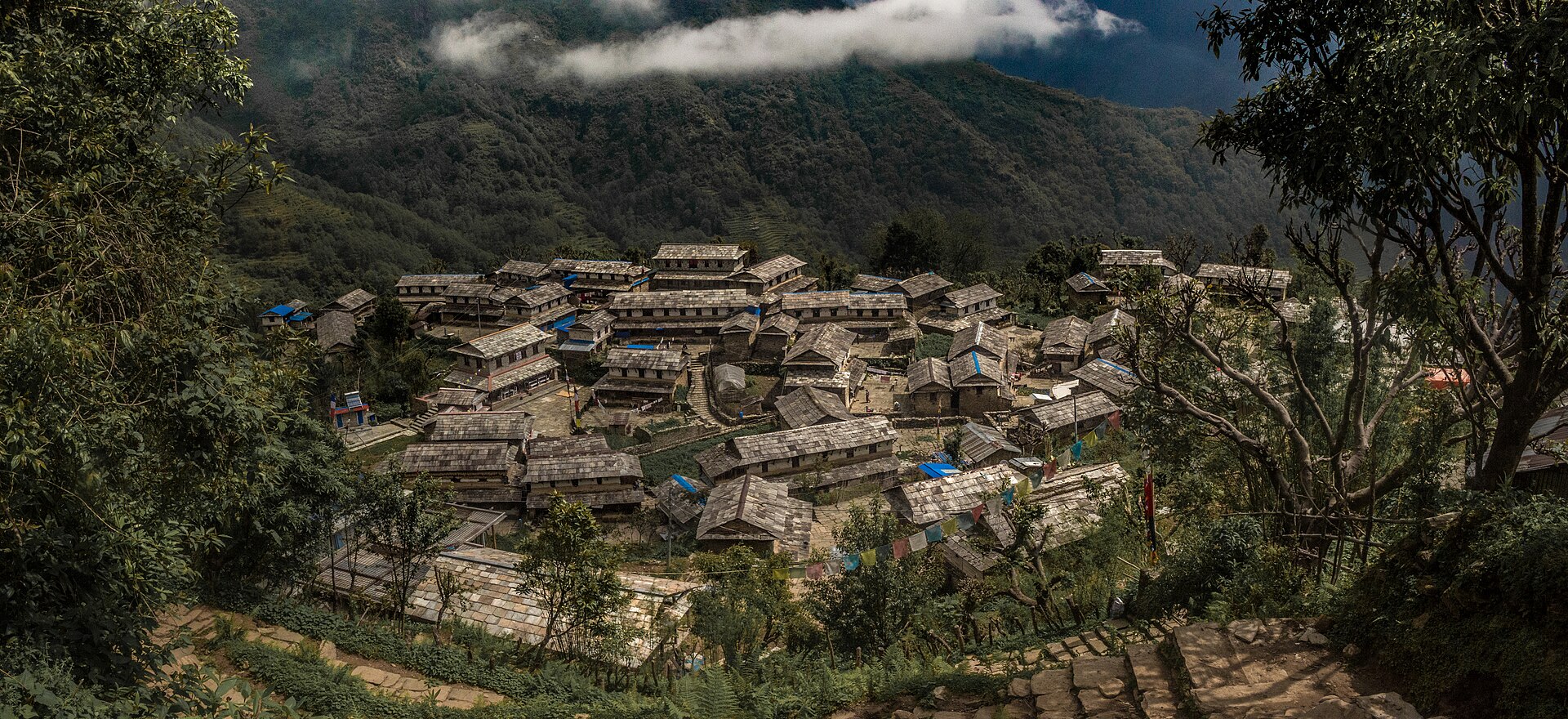
The Annapurna Conservation Area Project began in 1986, starting in Ghandruk. Instead of moving people out, it aimed to protect nature together with the communities who lived there. It became Nepal’s largest protected area.
Villages take part
Local committees helped manage forests, build trails and safe drinking water, and set rules for lodges. Money from trekking permits was used for conservation and local development.
Tourism and change
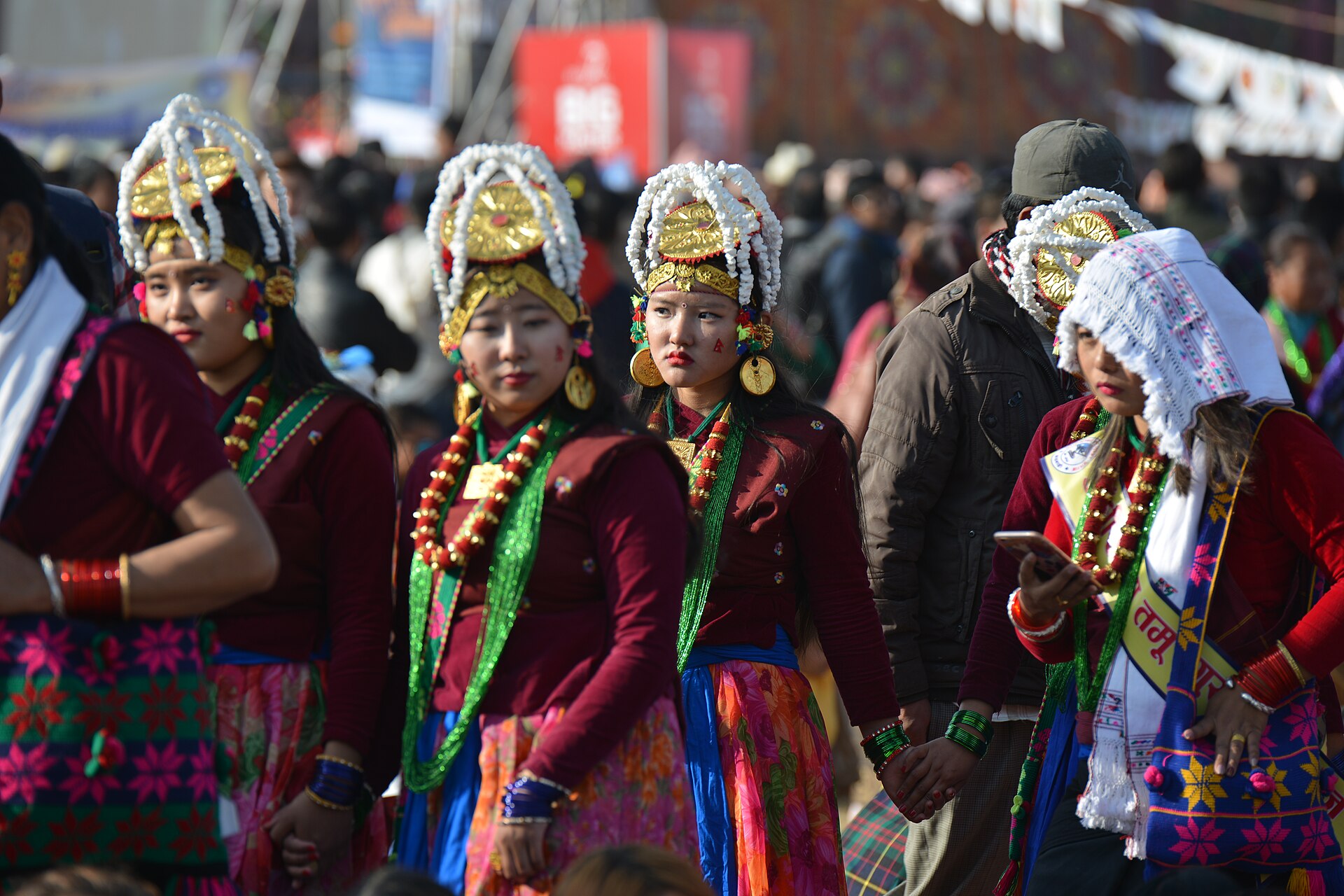
Trekking brought income to Gurung villages such as Ghandruk, Landruk and Chomrong. Many families opened lodges and tea houses. Research has found that tourism helped forests recover in places, while also changing work, food and family life.
Balancing future needs
Roads, climate change and young people moving away bring new questions. Communities continue to debate how to protect land, culture and livelihood at the same time.
Sources & further reading
1Tourism: Boon for Forest Conservation, Livelihood, and Community Development in Ghandruk VDC, Western Nepal
Livelihood research · Page-level claim citations not yet suppliedThe World of the Gurungs
Longitudinal ethnographic book and film notes · Page-level claim citations not yet suppliedHeritage grows through conversation.
Know a different local account, or spotted something that needs correcting?
Share your knowledge