The Archive
Every article in the collection, in one searchable place. Filter by subject, region and type of evidence.
 Culture
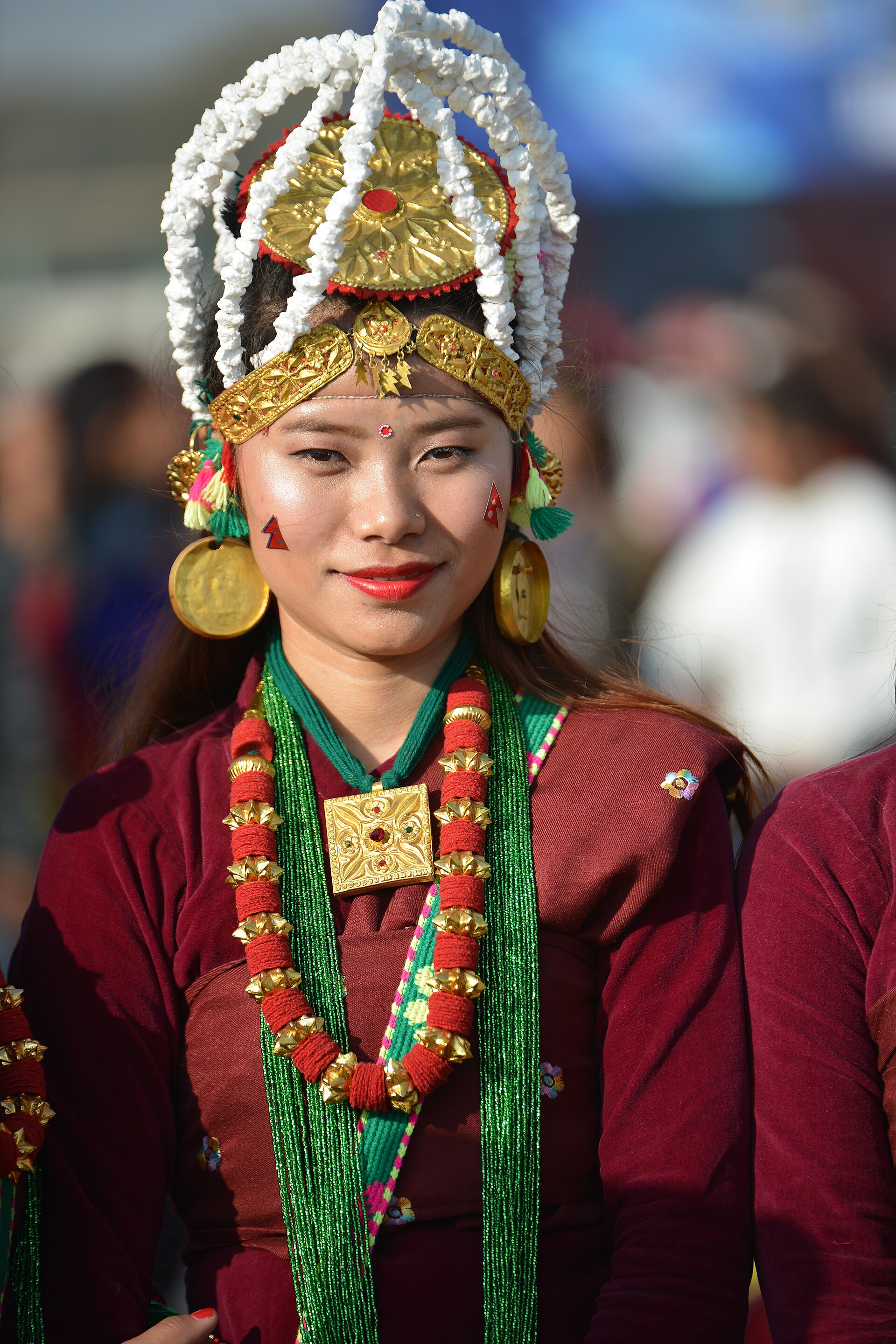
Tamu Lhosar: the Gurung New Year
Each year on the 15th of Poush, Gurung communities in Nepal and abroad gather to welcome a new year in the Tamu calendar.
 History
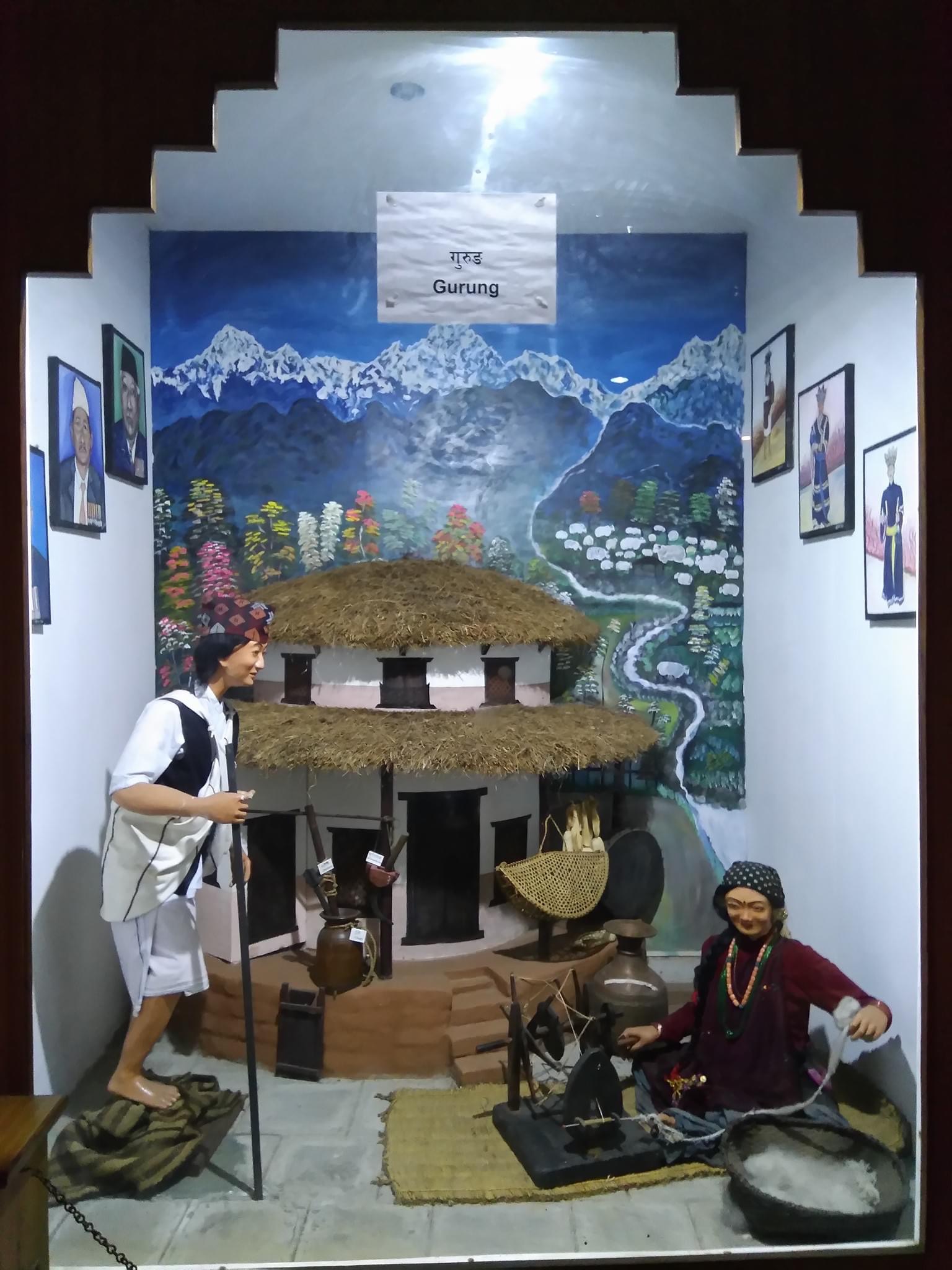
Clans and kinship: Char Jat and Sora Jat
Gurung society has long been organised by clans (kle), often grouped into the “four clans” and “sixteen clans”, a system whose meaning is still debated.
Pae (Arghun): guiding the soul home
The Gurung death rite sends the soul of the deceased safely to the land of the ancestors, and brings the living together.
 Homeland
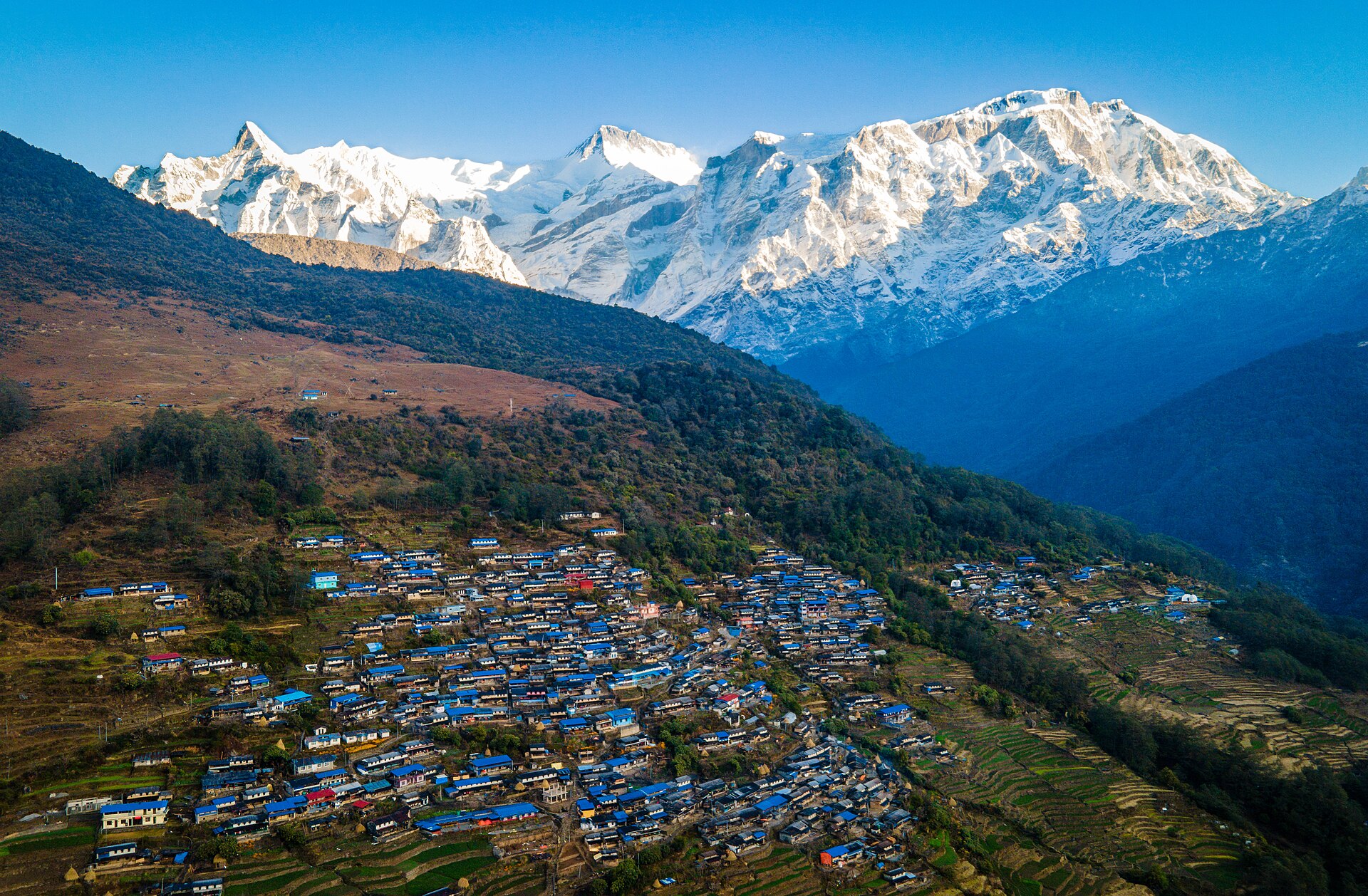
The Gurung people in numbers
Nepal’s 2021 census counted more than half a million Gurungs, with many more living in India, the United Kingdom and beyond.
 Culture
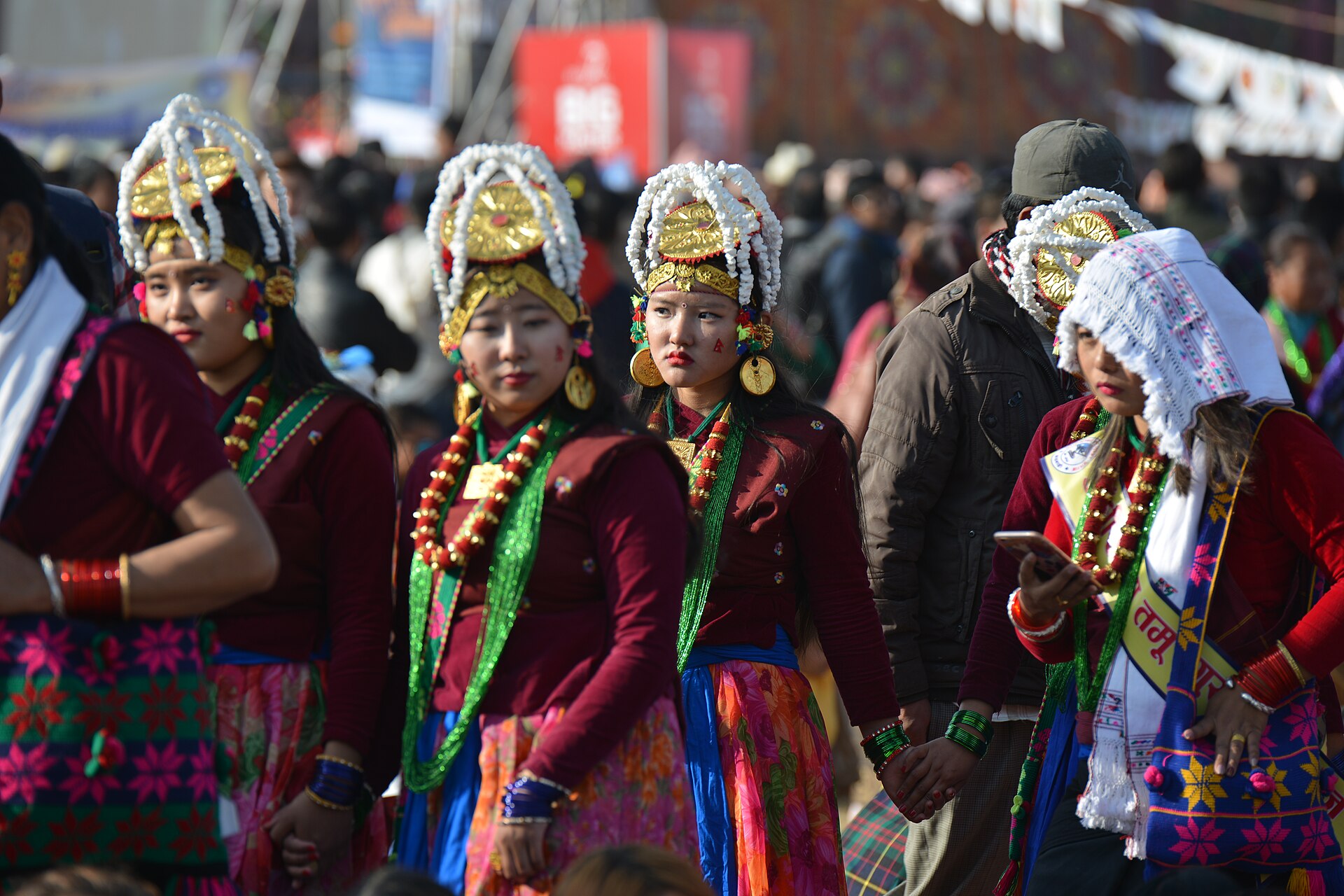
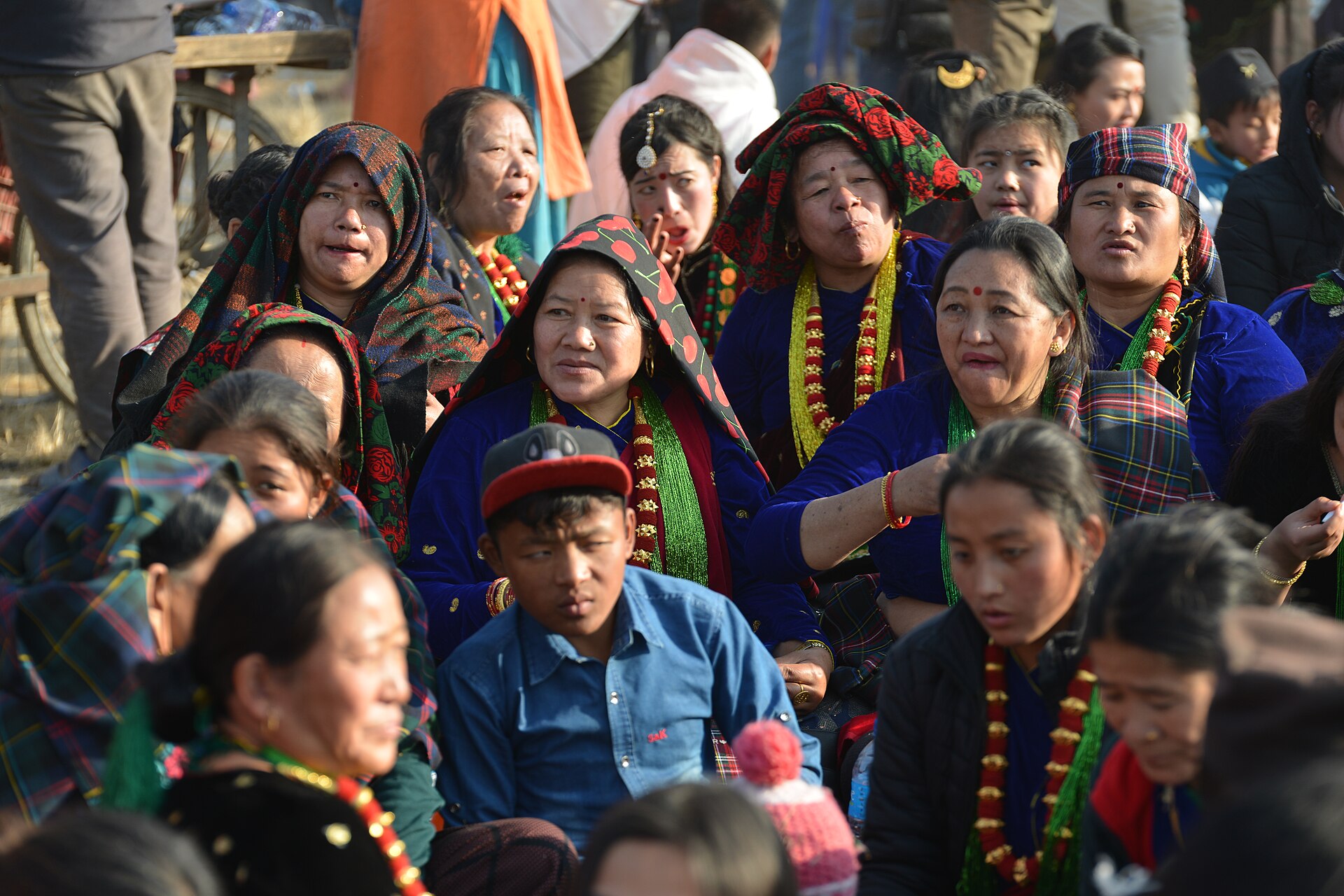
Traditional dress
Velvet blouses, coral and turquoise jewellery, and the white bhangra cloth make Gurung clothing instantly recognisable at festivals.
 History
Gurung & Tamu: names, identity and belonging
A living identity expressed through language, family, landscape and community—not a single definition.
 History
Origins beyond a single story
What Sino-Tibetan language relationships reveal—and what they cannot establish about Gurung ancestry.
 History
Paths remembered, routes debated
Ancestral journeys connect sacred geography, oral memory and historical research.
HistoryKohla: an ancestral landscape
Where archaeological investigation meets the memory of an ancestral settlement.
Ghale traditions & the memory of leadership
Remembered authority, local political life and the limits of reconstructing a dynasty.
Spiritual worlds of the Tamu
A locally varied religious life that cannot be captured by one label.
Pachyu & Ghyabre: keepers of ritual knowledge
An introduction grounded in particular studies, with respect for regional terminology and sacred knowledge.
CultureGhatu: movement, music and memory
A performance tradition approached as cultural knowledge, not simply spectacle.
CultureRodhi: a space for community
Sociability, cooperation and cultural change in a locally grounded study of Ghandruk.
 Language
Tamu Kyi: the language of our people
Language relationships, regional variation and the work of intergenerational preservation.
 Homeland
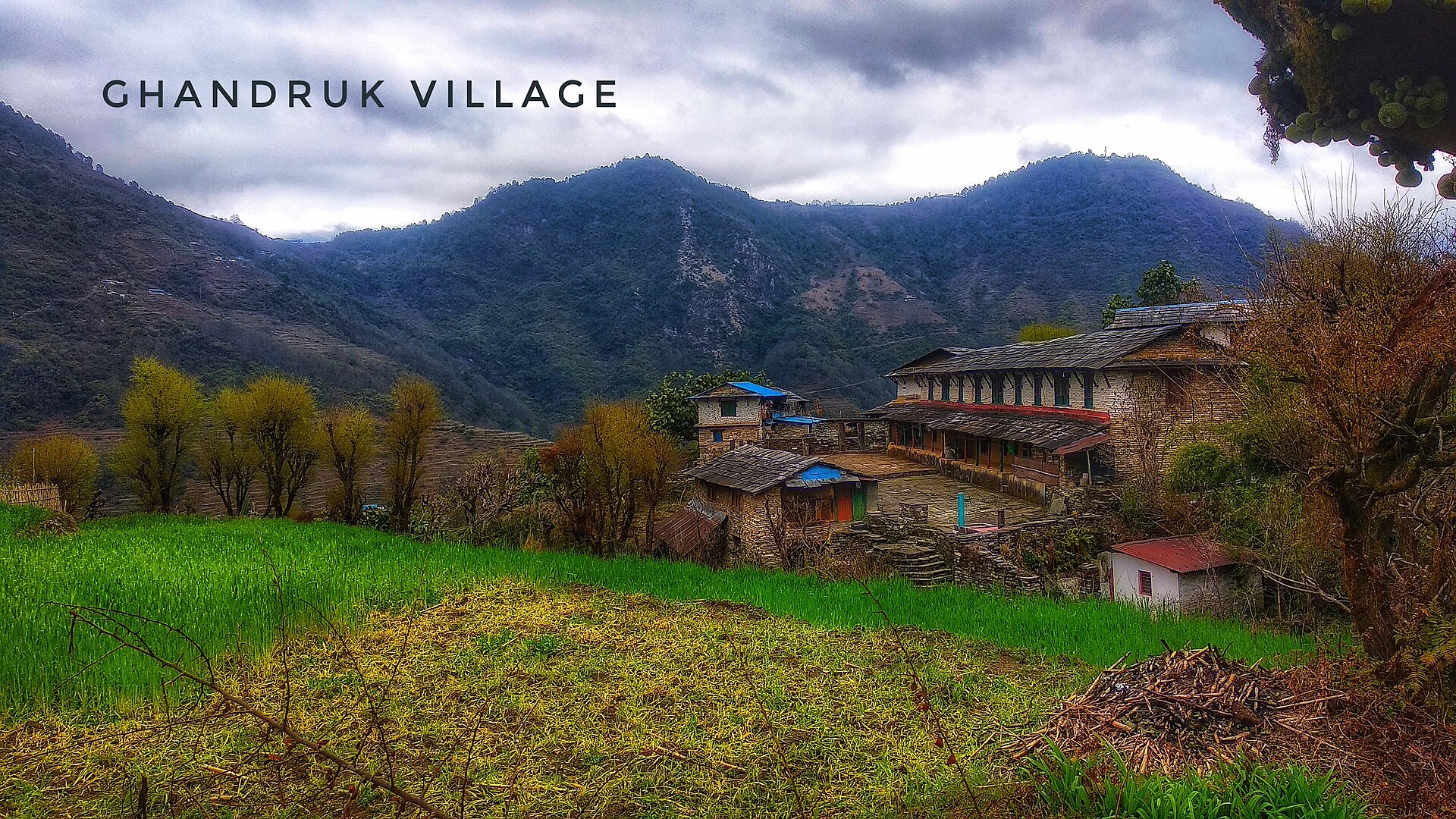
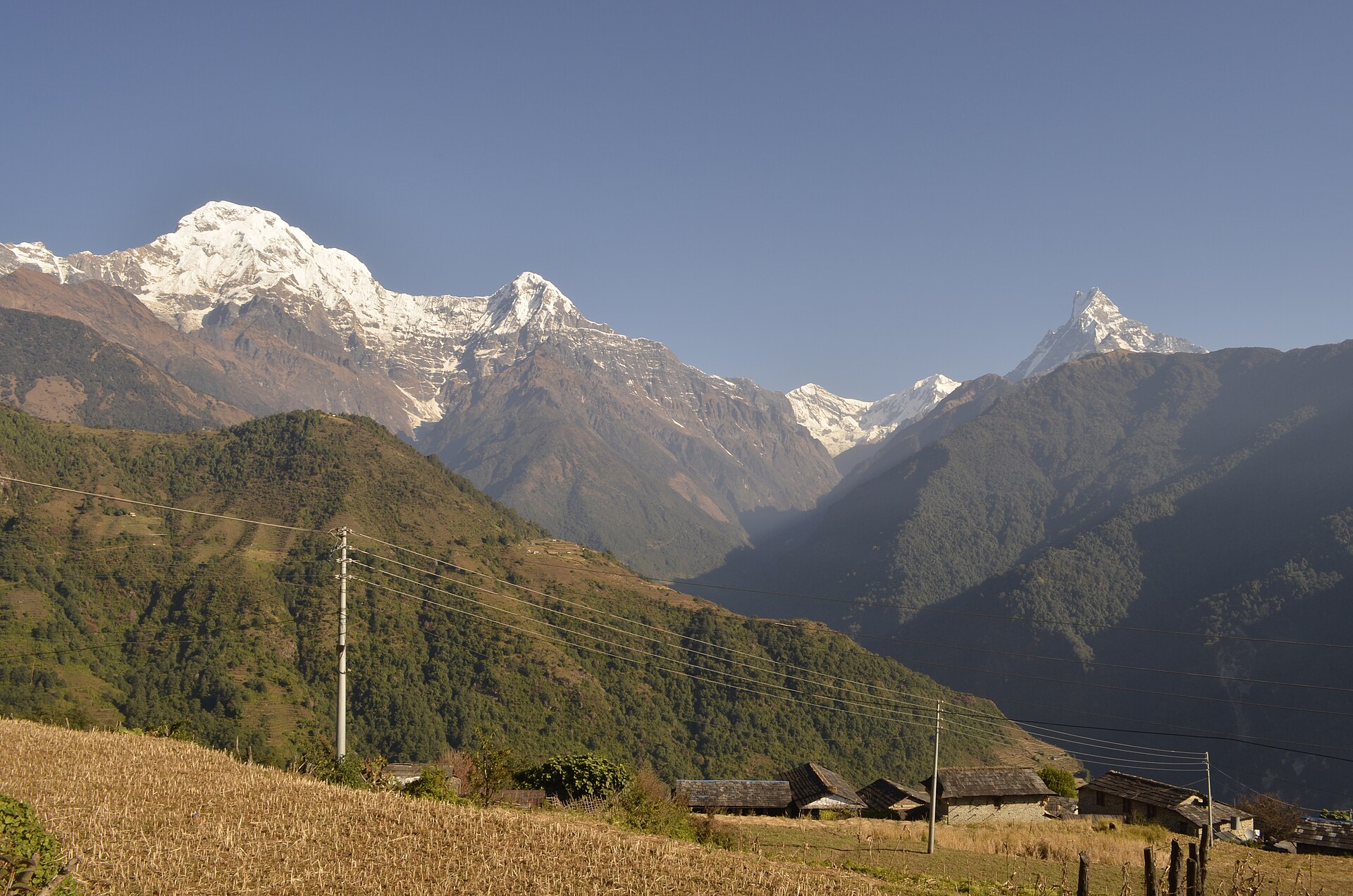
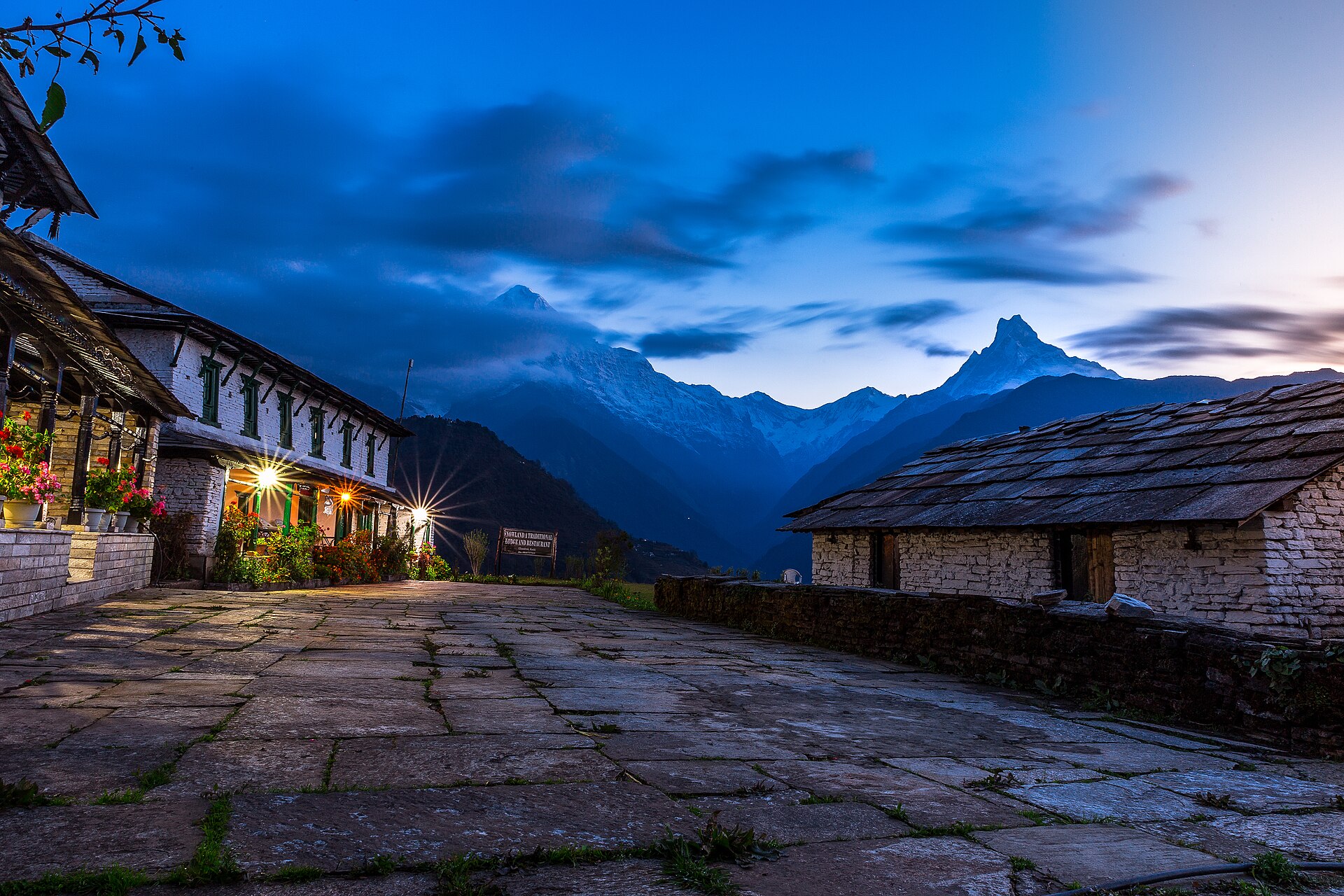
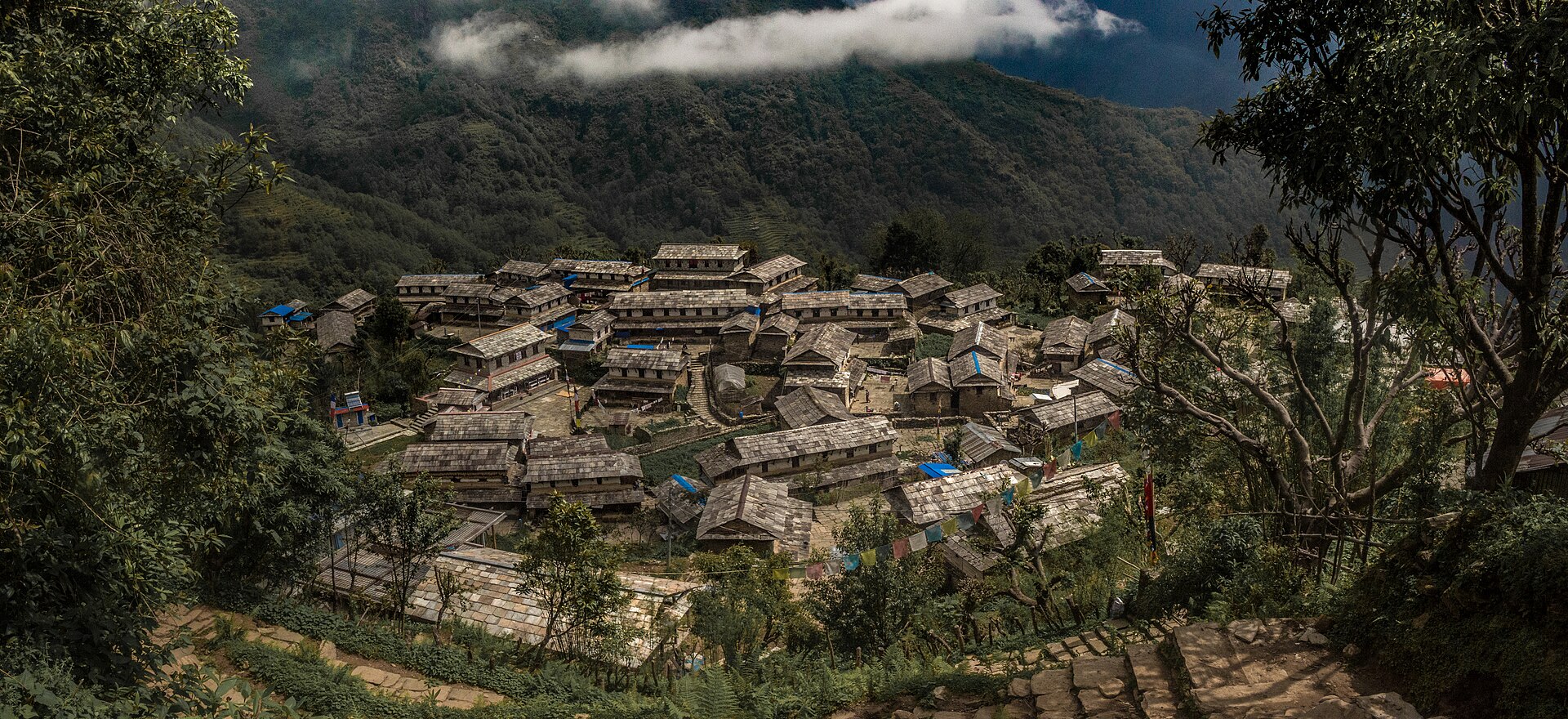
Ghandruk: a living mountain village
Stone houses, changing livelihoods and the relationship between tourism and community life.
 Homeland
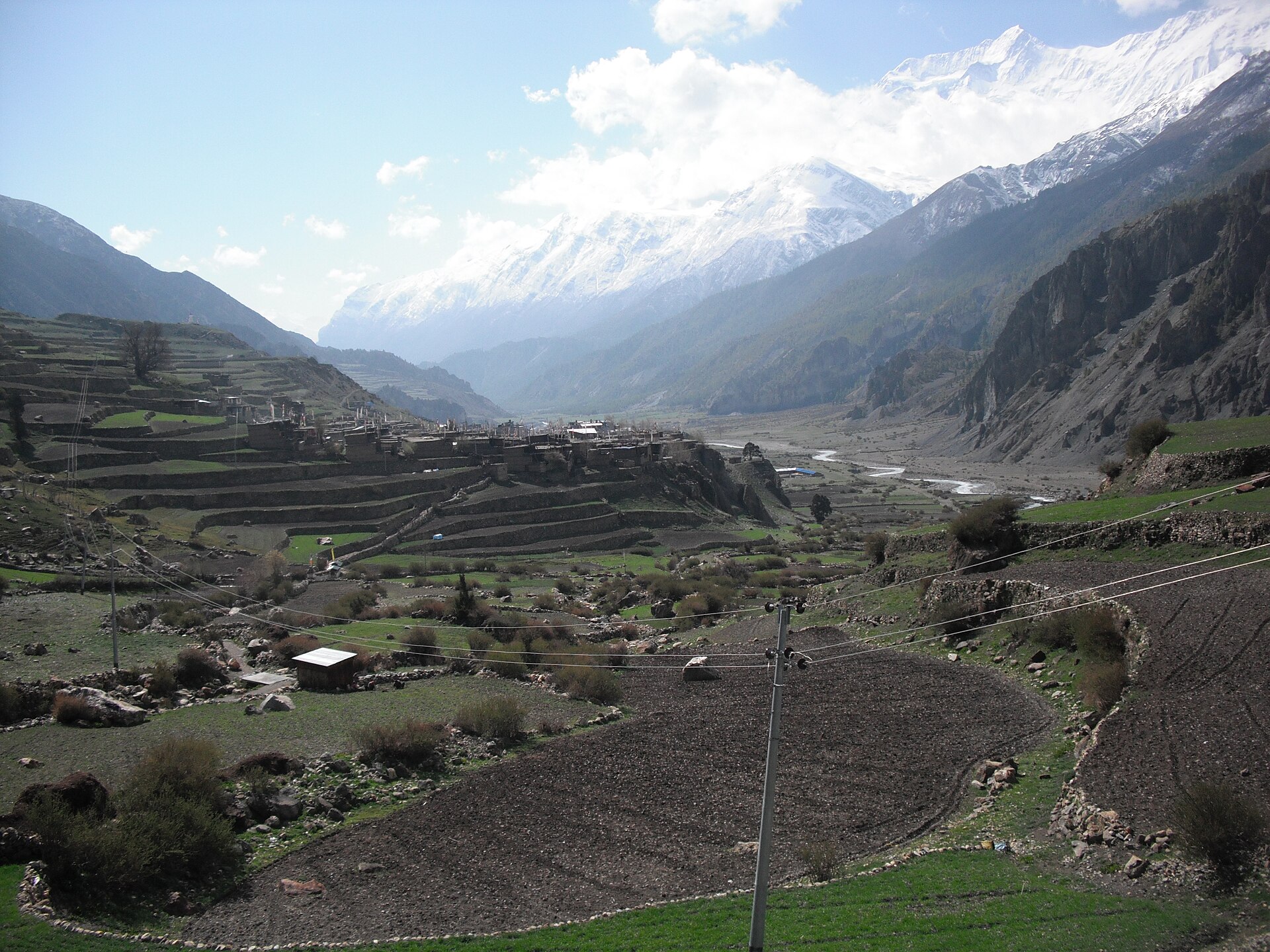
Manang: neighbours and shared landscapes
A village-level view of cultural and religious relationships in Gyasumdo.
 History
Beyond the mountains: Gurung & Gurkha history
Military service is an important strand of the story—not a synonym for a people.
Tamu lives in the United Kingdom
Community-making, religion and belonging beyond Nepal.
Gurung Khema: writing Tamu Kyi in the digital age
A community writing system, its recognition in Nepal and Sikkim, and the 2024 Unicode milestone that made digital exchange more reliable.
Village voices: dialects and tone in Tamu Kyi
Sikles speech, eastern and western classifications, and why pronunciation cannot be separated from the speaker’s home community.
Recording a living language: stories, conversation and memory
How Gurung speakers and researchers preserve ordinary speech as well as specialist knowledge, from Sikles to New York.
Pe / Pye: the Tamu oral literary world
Ritual poetry holds narratives of origins, journeys and cosmology, carried by named Gurung knowledge holders across generations.
HomelandSikles: village, language and ancestral connections
A Gurung settlement in Kaski with rich linguistic documentation, local life-cycle traditions, and connections to the Kohla ancestral landscape.
HomelandTerraced fields: the Gurung agricultural year
Rice below, maize and millet above: how crops, rain, household labour and livestock connect in documented village farming.
HomelandSheep, high pastures and seasonal movement
The pastoral strand of Gurung livelihoods links mountain grazing, wool, field fertility and specialised knowledge of seasonal routes.
CultureAt the Gurung hearth: grain, greens and shared meals
Everyday meals reflect hill agriculture, preserved foods, livestock and hospitality—not just a single festival menu.
HomelandStone houses and the organisation of home
Walls, roofs, verandas, grain stores and hearths make Gurung architecture part of an everyday working landscape.
CultureNettle, wool and bamboo: Gurung household crafts
Backstrap weaving, fibre preparation and basket making connect practical objects with forests, flocks and intergenerational skill.
Working together: exchange labour and village cooperation
Harvests, building, carrying and Rodhi show how work and social relationships have been organised together in Gurung villages.
Marriage, relatives and the making of a Gurung family
Clan relationships, family negotiations, blessings and changing choices in historically documented Gurung marriage customs.
Growing up in Sikles: haircut and dress-giving rituals
A local study of Khyaper Lapa and Nkyuee Chol Peepa links initiation with blessings, gifts and the renewal of kinship relations.
From village to Pokhara: keeping a community together
Village associations, clan gatherings and ritual life show how Gurung belonging is rebuilt in an urban setting.
Gurung New York: Tamu voices in Queens and Ridgewood
Community organisation and language documentation connect New York households with Sikles and the wider Gurung homeland.
Gurung lives in Hong Kong: a Thak-connected account
An ethnographic visit follows old village friendships into new workplaces and social settings in Hong Kong.
Across the border for work: a Gurung family in India
A documented Thak family’s migration to the Mumbai region reveals work, schooling, return visits and the uncertainty behind remittances.
A timeline of Gurung history
A plain-language overview of the main periods in Tamu history, from ancestral settlements to the present day, with notes on what is certain and what is still debated.
Gurungs in the hill kingdoms of Kaski and Lamjung
Before Nepal was unified, Gurung villages lay inside small mountain kingdoms. This article explains who ruled, how villages related to rulers, and why memories of this time still matter.
Under the Nepali state: unification and the 1854 legal code
How unification and the Rana-era legal code changed the place of Gurungs in society, land and law.
Revival and recognition: the Tamu identity movement
From the late twentieth century, Gurung organisations worked to revive language, religion, Lhosar and history writing, and gained official recognition as an indigenous nationality.
How we know Gurung history
Gurung history is pieced together from oral recitations, archaeology, state records and research. Knowing the type of source helps you judge each claim.
Herders, farmers and traders: the Gurung economy through history
For centuries Gurung life moved between high pastures, terraced fields and trade routes. This is how people made a living before and after soldiering.
Gurung soldiers in the World Wars
Thousands of Gurung men fought in both World Wars. Several received the Victoria Cross, Britain’s highest award for bravery.
From 1947 to 2009: Gurkha rights and settlement in Britain
How Indian independence split the Gurkha regiments, and how a long campaign won Gurkha veterans the right to live in Britain.
Gurungs in modern Nepal, 1951–2015
Democracy, schools, roads and new constitutions changed Gurung life in the second half of the twentieth century.
HistoryNotable Gurungs: soldiers, artists and leaders
A short guide to Gurung people whose lives became part of the wider history of Nepal and the world.
HistoryGurung women in history
Mothers, farmers, traders, singers and leaders: the women who kept households and villages going.
HistoryThe 2015 earthquake and Gurung villages
How the Gorkha earthquake struck Gurung communities, and how villages and the diaspora rebuilt together.
 Homeland
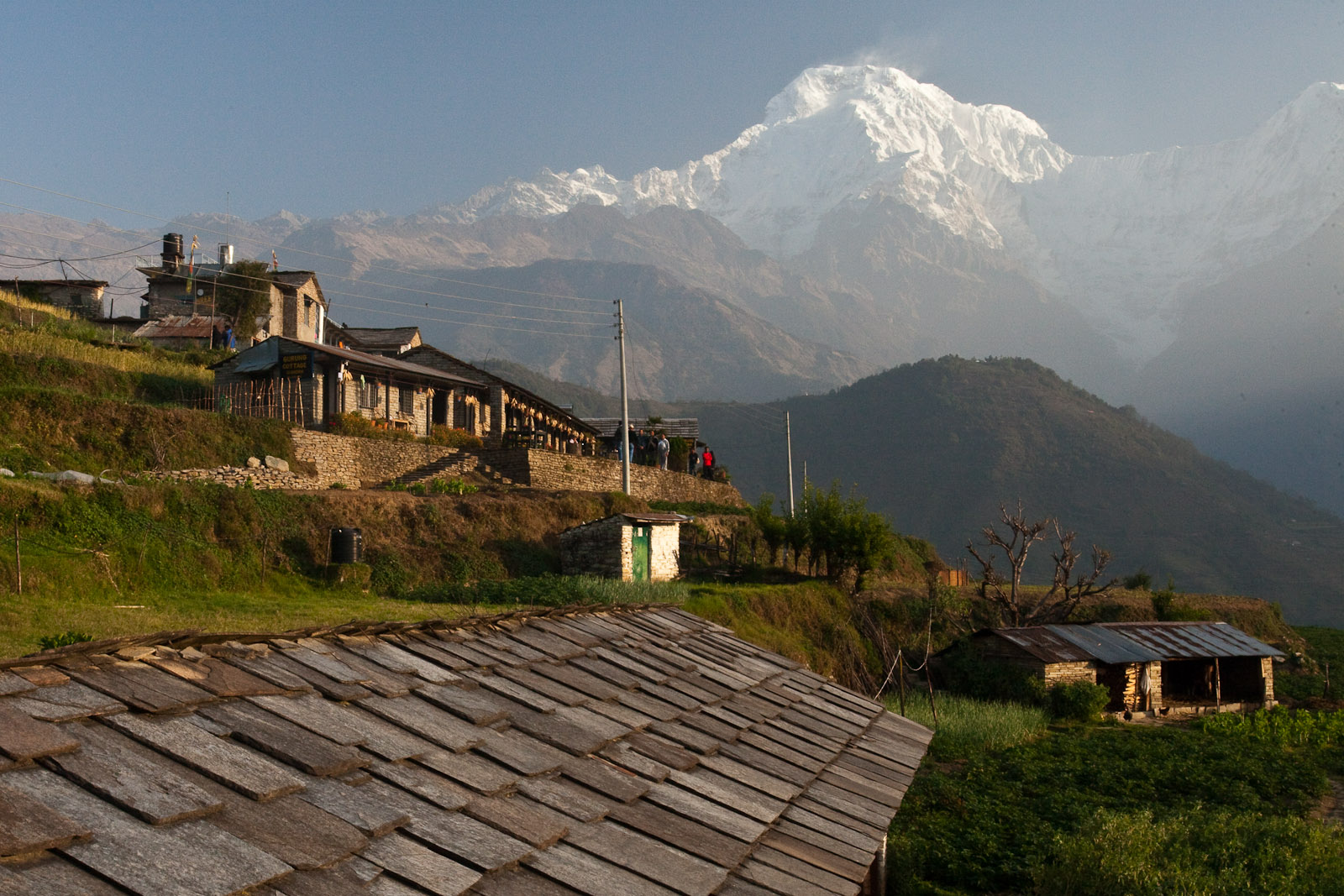
Lamjung: an old Gurung heartland
Hills, rivers and villages between the Marsyangdi valley and the Annapurna and Lamjung Himal.
HomelandAnnapurna Conservation Area: people and protected land
How a conservation project begun in Ghandruk in 1986 tied Gurung villages to forests, trekking and tourism.
CultureGurung music and instruments
Madal, sarangi, dhyangro and songs: the sounds of Tamu festivals, rituals and the Rodhi.
CultureThe Tamu calendar and the twelve lho
How the Gurung year is counted in twelve animal years, and why Lhosar marks the turn of the lho.
SpiritualityBuddhism, Bon and the old Tamu religion
How shamanic rites, Tibetan Buddhism and Hindu practice came to live side by side in Gurung life.
DiasporaGurung organisations: building a community voice
Village societies, national councils and diaspora associations that carry Tamu culture forward.
DiasporaLhosar around the world
From Pokhara to London, Hong Kong and New York: how Tamu New Year brings scattered families together.
DiasporaGurungs in Darjeeling, Sikkim and Northeast India
Long-settled Gurung communities in India, shaped by tea gardens, the army and Himalayan trade.
A growing collection. Each introduction identifies its sources, evidentiary limits and community-review status.