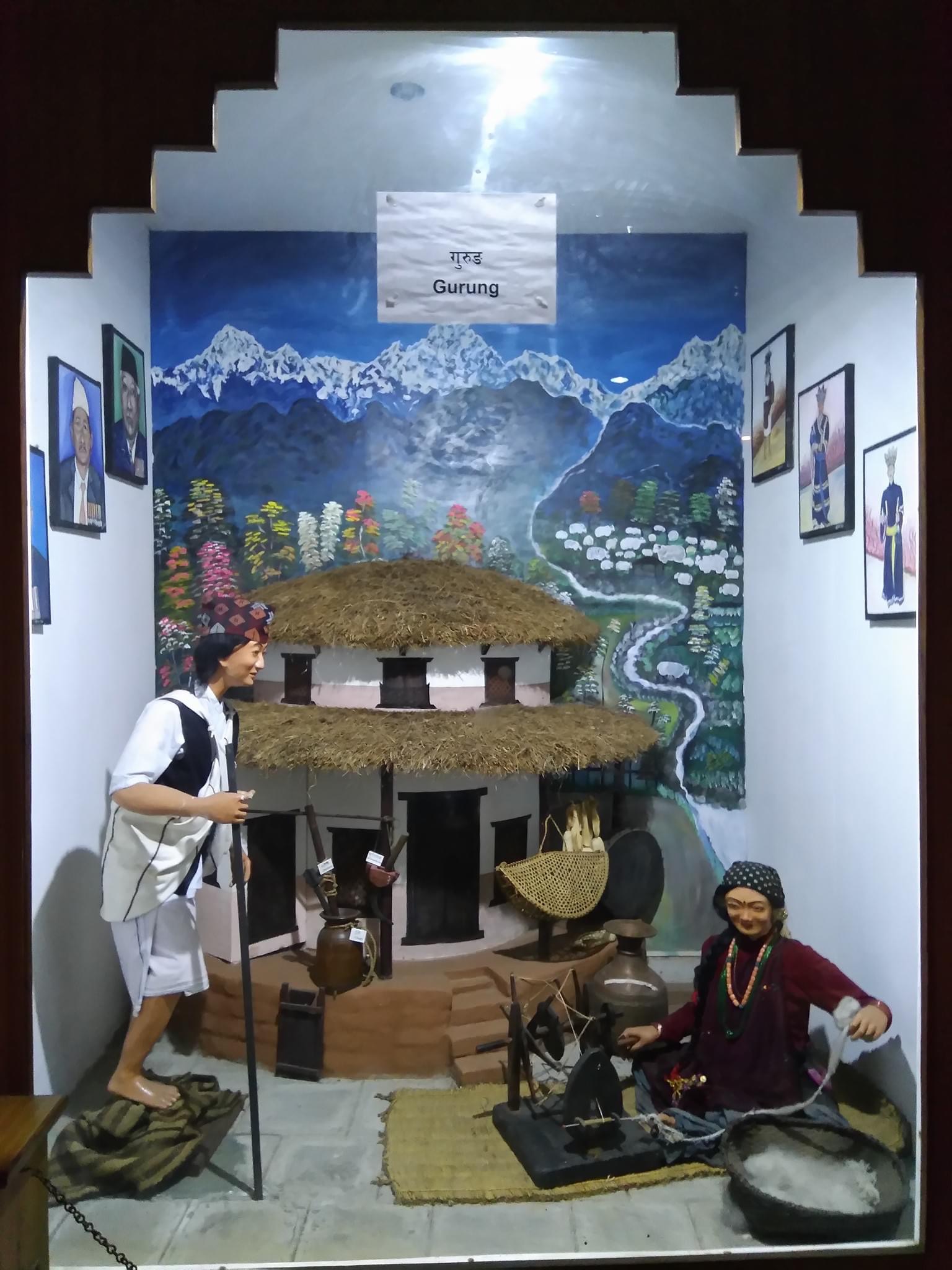
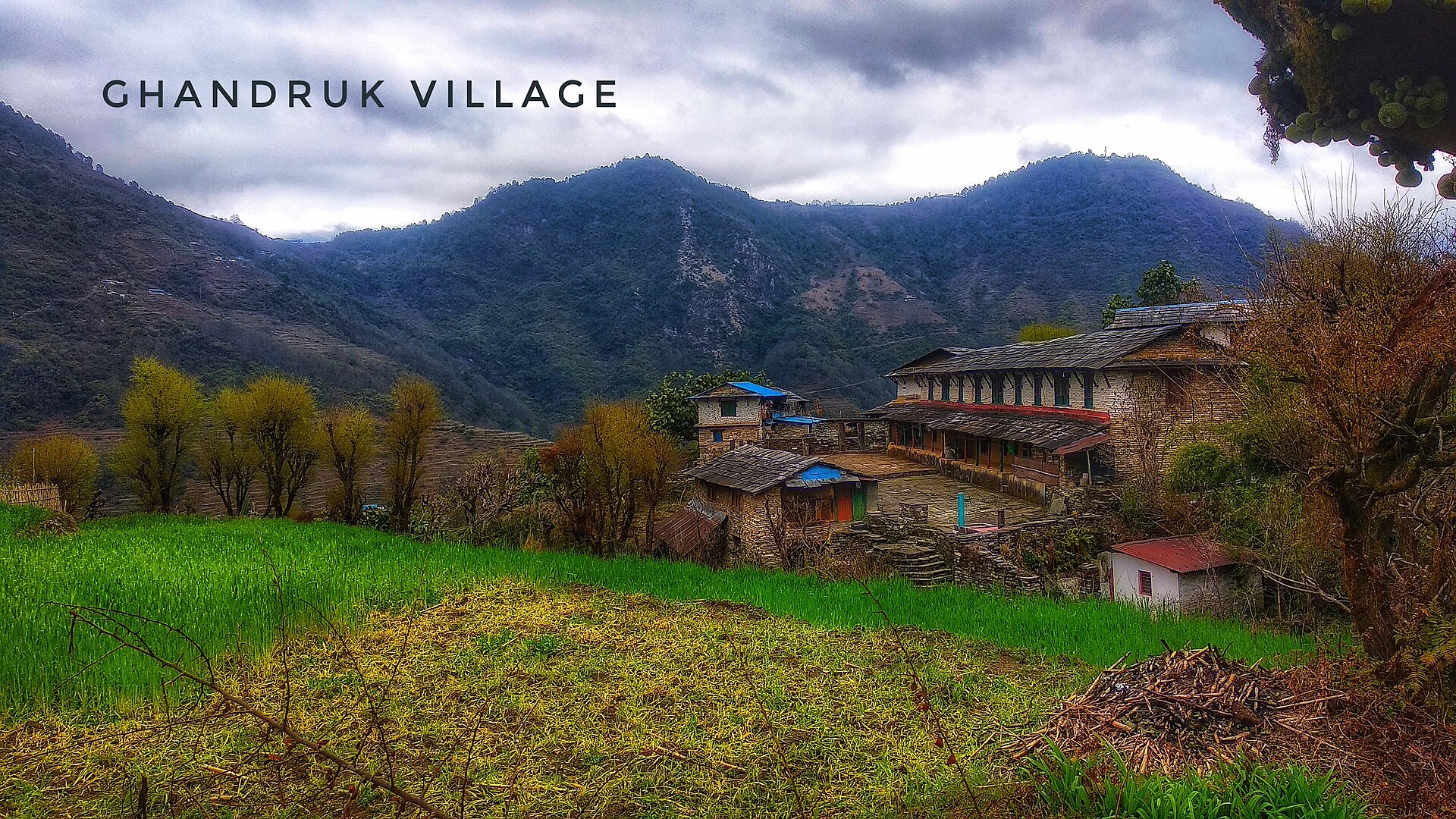
The 1947 agreement
When India became independent in 1947, Britain, India and Nepal signed the Tripartite Agreement. Four Gurkha regiments moved to the British Army and six stayed with the new Indian Army. Gurung soldiers have served in both armies ever since.
Bases far from home
After 1947, British Gurkhas were based in Malaya, Borneo, Hong Kong, Brunei and later the UK. Families sometimes lived with soldiers at these bases, and children grew up between Nepal and other countries.
Unequal pay and pensions
For decades Gurkha soldiers received lower pay and pensions than British soldiers, and most could not settle in Britain after service. Veterans and their supporters campaigned against these differences from the 1990s.
The 2009 settlement decision
In 2009, after a high-profile public campaign, the UK government agreed that most Gurkha veterans who served before 1997 could settle in Britain. This led to a large new Nepali and Gurung community in towns such as Aldershot, Reading and Ashford. Mitra Pariyar’s research looks at how these communities formed.
Life after settlement
Settlement brought new chances but also hard questions: elderly veterans in a new country, language barriers, and how to keep Tamu traditions alive for children born in Britain. Community groups, Lhosar gatherings and language classes grew out of this new life.
Sources & further reading
1Caste, Military, Migration: Nepali Gurkha Communities in Britain
Peer-reviewed research · Page-level claim citations not yet suppliedReligion and Ethnic Identity: Gurung Experiences of Belonging in the UK
Oxford doctoral thesis · Page-level claim citations not yet suppliedHeritage grows through conversation.
Know a different local account, or spotted something that needs correcting?
Share your knowledge