When it is celebrated
Tamu Lhosar falls on the 15th day of the Nepali month of Poush, which usually lands at the end of December. The Nepal Tourism Board describes it as the community’s most vibrant cultural anchor, and it is observed as a public holiday in Nepal.
A twelve-year cycle
Like the Lhosars of neighbouring Himalayan peoples, the Tamu calendar counts years in a twelve-year cycle called the lohokor. Each year is linked to an animal, such as the garuda (eagle), serpent, horse, sheep, monkey, bird, dog, deer, mouse, cow, tiger and cat. The exact names and order can differ between communities.
How people celebrate
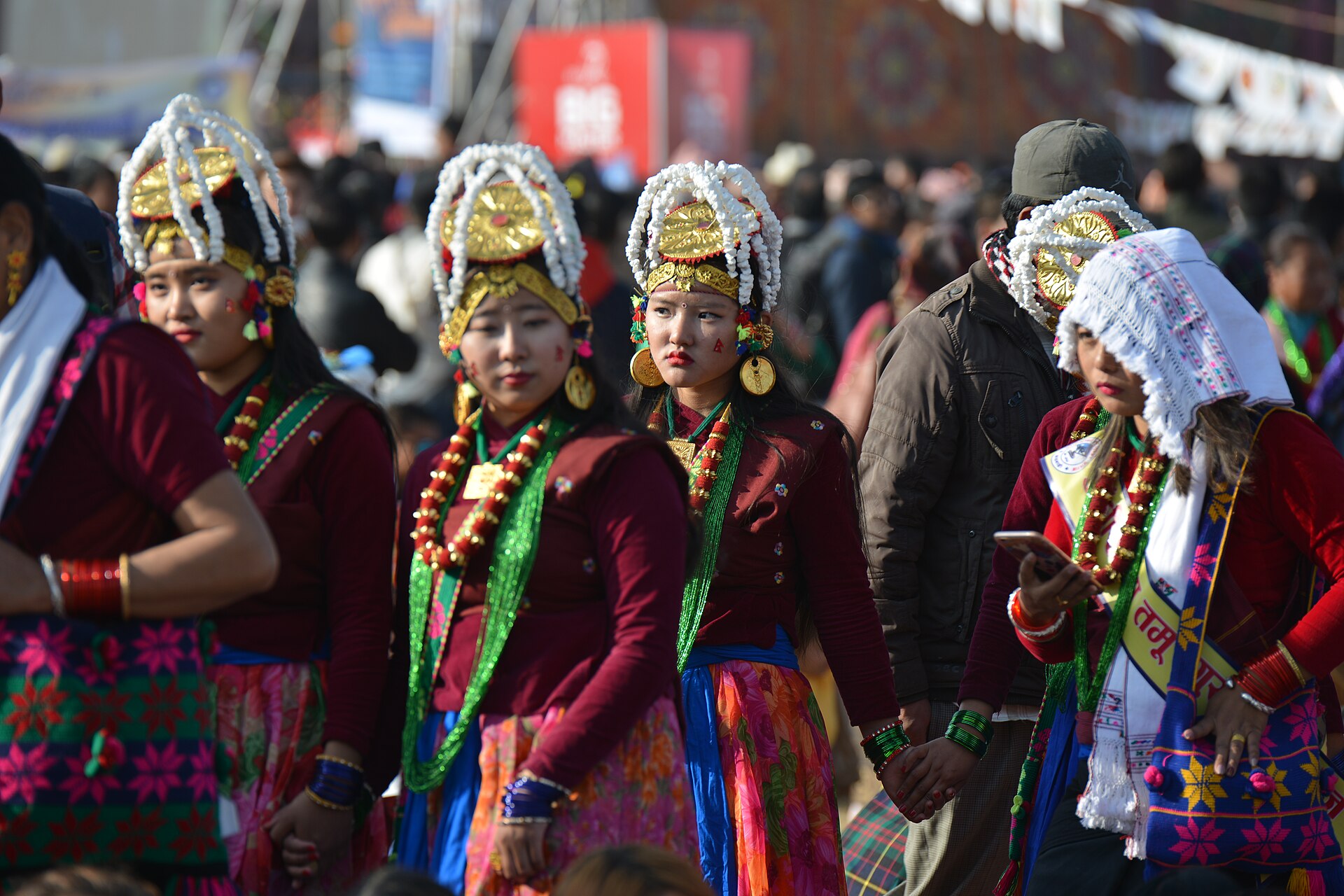
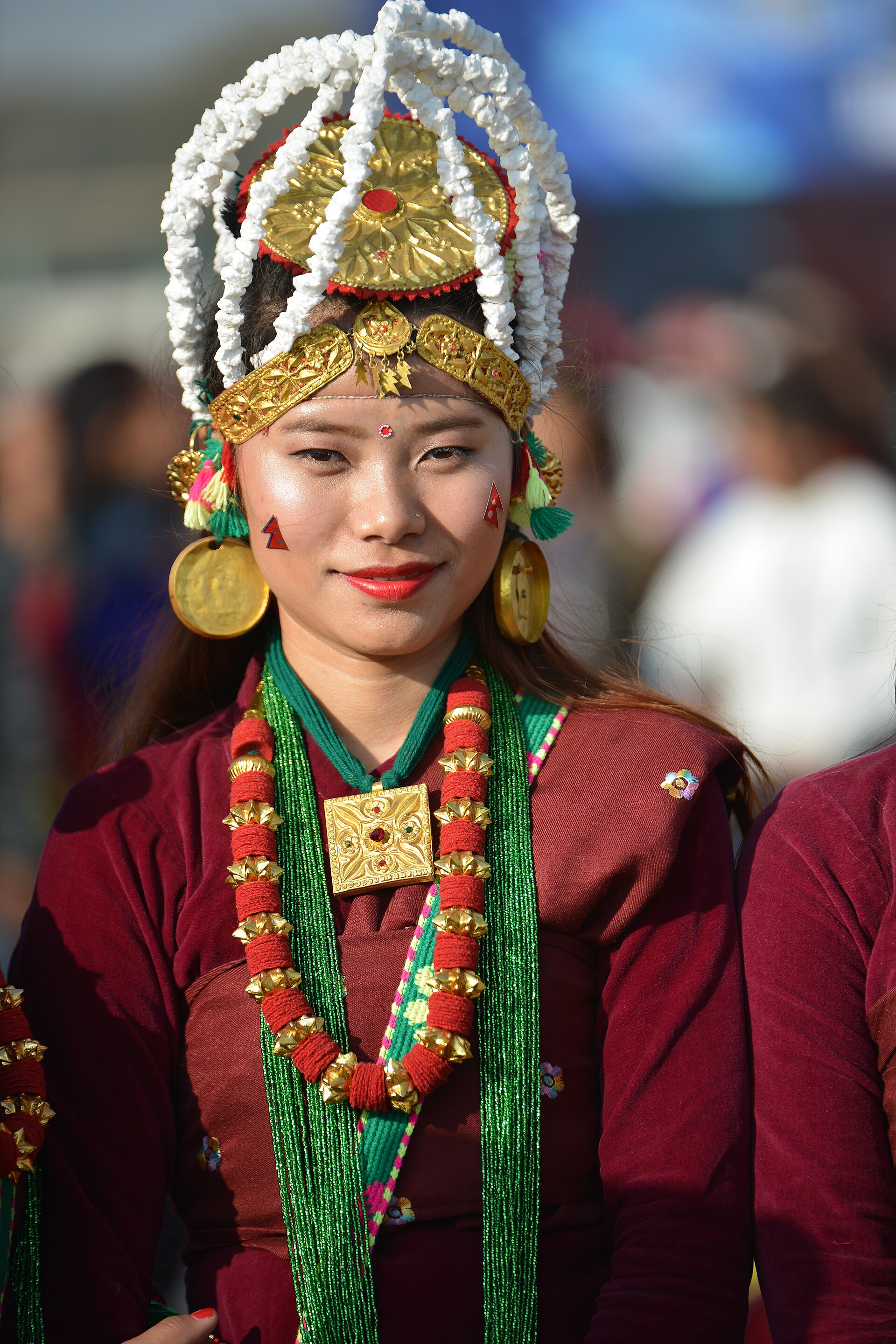
Families visit relatives, cook festive food and wear traditional dress. In towns and cities, community organisations hold public gatherings with songs, speeches and dances such as Ghatu and Sorathi. For many people living abroad, Lhosar has become one of the main occasions to meet other Gurungs and pass traditions on to children.
Old custom or new gathering?
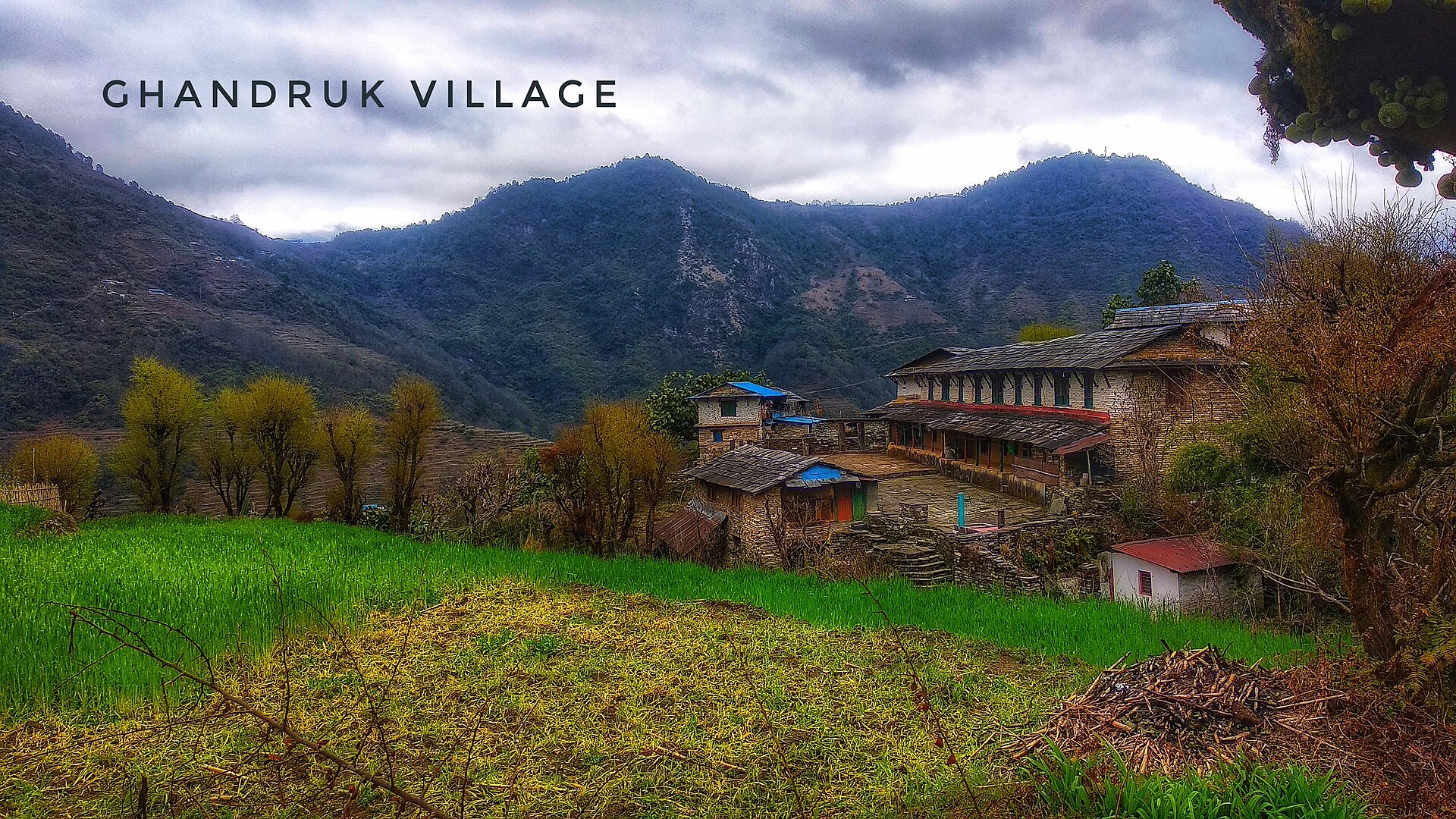
Large public Lhosar events in cities such as Kathmandu, Pokhara and London are fairly recent. They grew alongside indigenous-rights and community movements from the late twentieth century onward. Village observances and urban festivals sit side by side, and each place may celebrate in its own way.
Sources & further reading
1Tamu Lhosar: A Vibrant Journey into Nepal’s Indigenous Heart
Official tourism information · Page-level claim citations not yet suppliedReligion and Ethnic Identity: Gurung Experiences of Belonging in the UK
Oxford doctoral thesis · Page-level claim citations not yet suppliedHeritage grows through conversation.
Know a different local account, or spotted something that needs correcting?
Share your knowledge