Tamu Kyi and the people who speak it
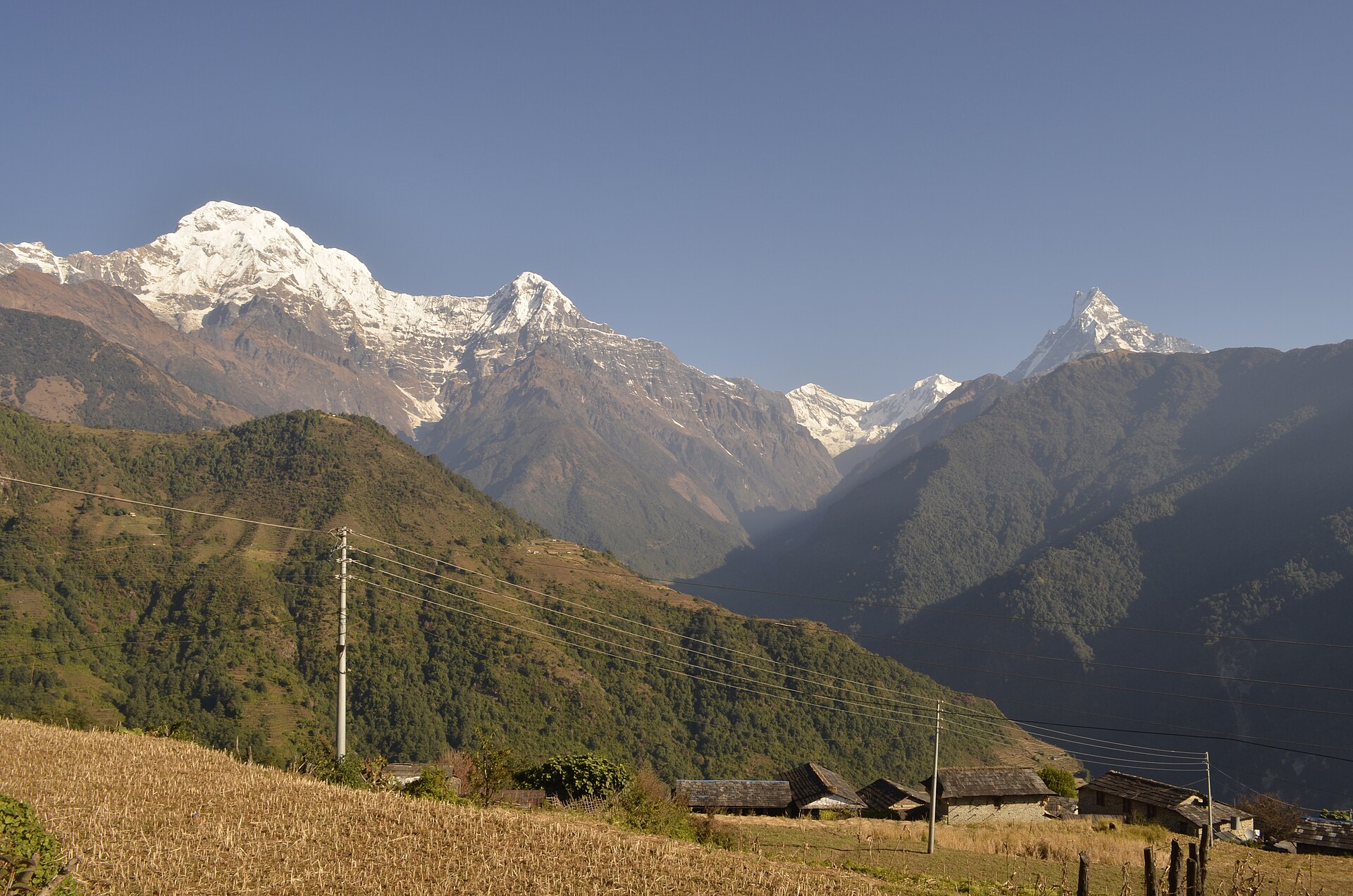
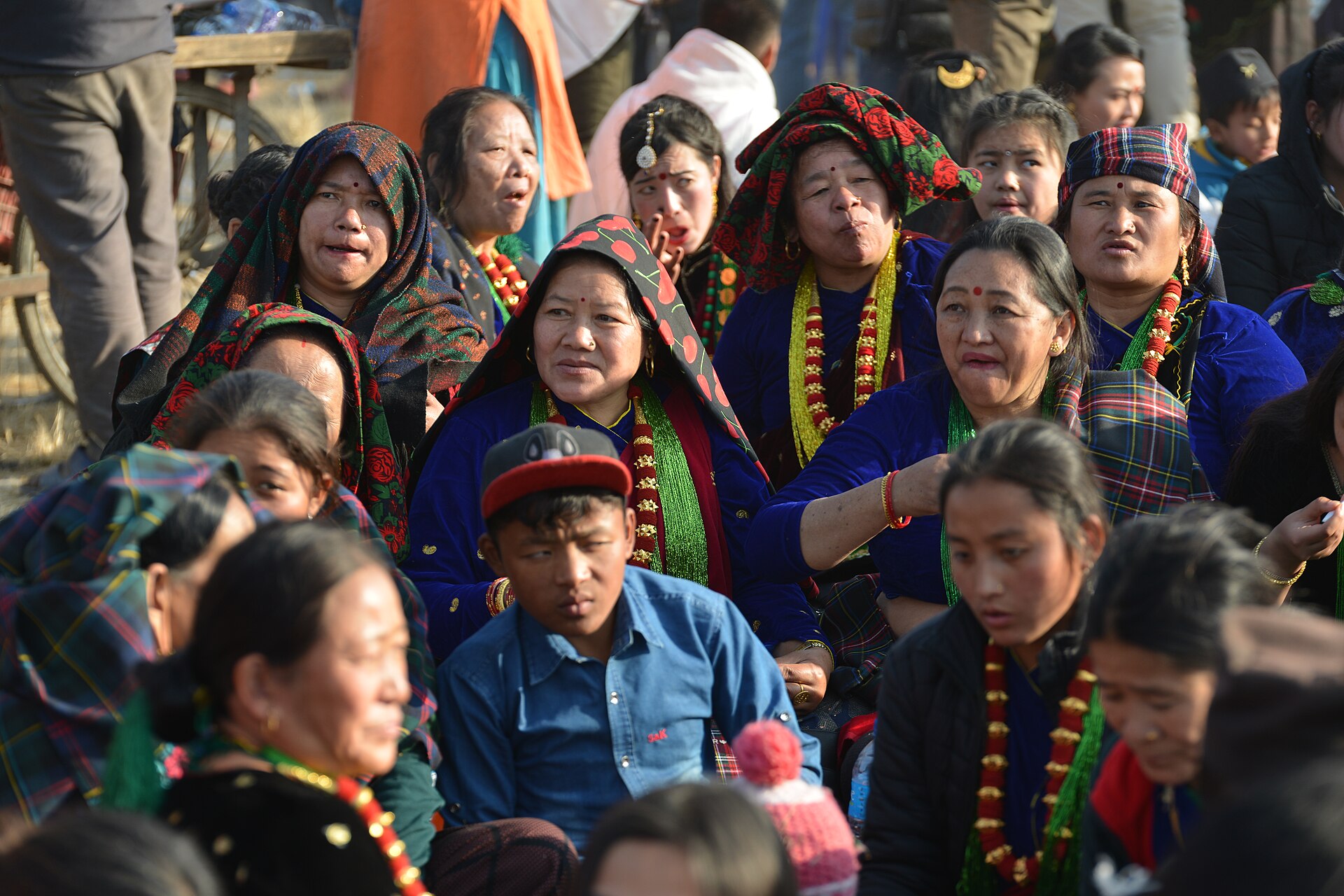
The Endangered Language Alliance translates Tamu kyi as the language of the Tamu and explains that Gurung is the more widely used name outside the speech community. The language is associated with the middle hills of central Nepal and is also spoken in towns and overseas. Language, surname and identity cannot be counted as the same thing: someone may identify as Gurung without having learned Tamu Kyi as a first language, while multilingual speakers use different languages in different settings.
Linguistic relationships
Glottolog catalogues Gurung under guru1261 and the ISO identifier gvr within the Sino-Tibetan family. ELA describes its Tamangic relationships with Tamang, Thakali, Manange, Nar Phu and Chantyal. These classifications concern historical relationships between languages. They do not establish a single ancestral birthplace for all Gurungs or erase the separate identities of neighbouring peoples. Gurung also has a long history of contact with Nepali, an Indo-Aryan language used in schooling and communication across communities.
Village variation and tone
ELA reports village-associated varieties and discusses the changing scholarly understanding of eastern and western Gurung. A later sociolinguistic survey found the division less clear-cut than some earlier accounts implied. Studies listed by ELA examine tone, voicing and other sound patterns, including work on Sikles speech. A catalogue merger is not a declaration that local speech differences are errors. A word collection should preserve the speaker’s variety and pronunciation instead of silently manufacturing one universal form.
A record of dictionaries and conversations
ELA lists the 1977 Gurung–Nepali–English dictionary by Warren Glover, Jessie Glover and Deu Bahadur Gurung, and the 1979 Conversational Gurung by Jessie Glover and Deu Bahadur Gurung. Its own project with Narayan Gurung began in 2013, producing spoken-text documentation and linguistic studies. These sources offer verifiable routes toward language learning and research. This archive has not reproduced a dictionary wholesale or invented translations and pronunciation recordings.
Writing and digital access
Gurung Khema is one of the language’s writing systems. Unicode 16.0.0 added the script in September 2024, giving its characters standard digital identifiers. Translation Commons reports subsequent work on fonts, keyboards and trainer workshops. Writing support enables messages, publications and learning materials, but literacy in a script is distinct from conversational fluency. Other conventions used in earlier documentation remain important for reading the language’s research history.
Passing the language on
ELA describes reduced transmission among many New York community members and changes associated with migration to towns in Nepal. These are situated observations rather than one rate of language loss for all Gurungs. Family conversation, community teaching and permitted recordings address different needs: active use, literacy and an enduring record. Preserving Tamu Kyi means valuing speakers’ everyday knowledge alongside ritual registers, without making fluency a test of someone’s right to belong to the Tamu community.
Sources & further reading
1Gurung (guru1261)
Linguistic catalogue · Page-level claim citations not yet suppliedGurung: background, dialect research and documentation in New York
Language documentation organisation · Page-level claim citations not yet suppliedRevitalizing Gurung Language
Language digitisation project report · Page-level claim citations not yet suppliedThe Unicode Standard, Version 16.0.0
Official technical standard · Page-level claim citations not yet suppliedHeritage grows through conversation.
Know a different local account, or spotted something that needs correcting?
Share your knowledge