Why a movement began
After 1990, Nepal’s new democratic constitution allowed communities to organise openly. Many indigenous peoples felt that a single national language and Hindu-centred culture had pushed their own traditions aside. Gurungs joined this wider Janajati (indigenous nationalities) movement.
What activists worked on
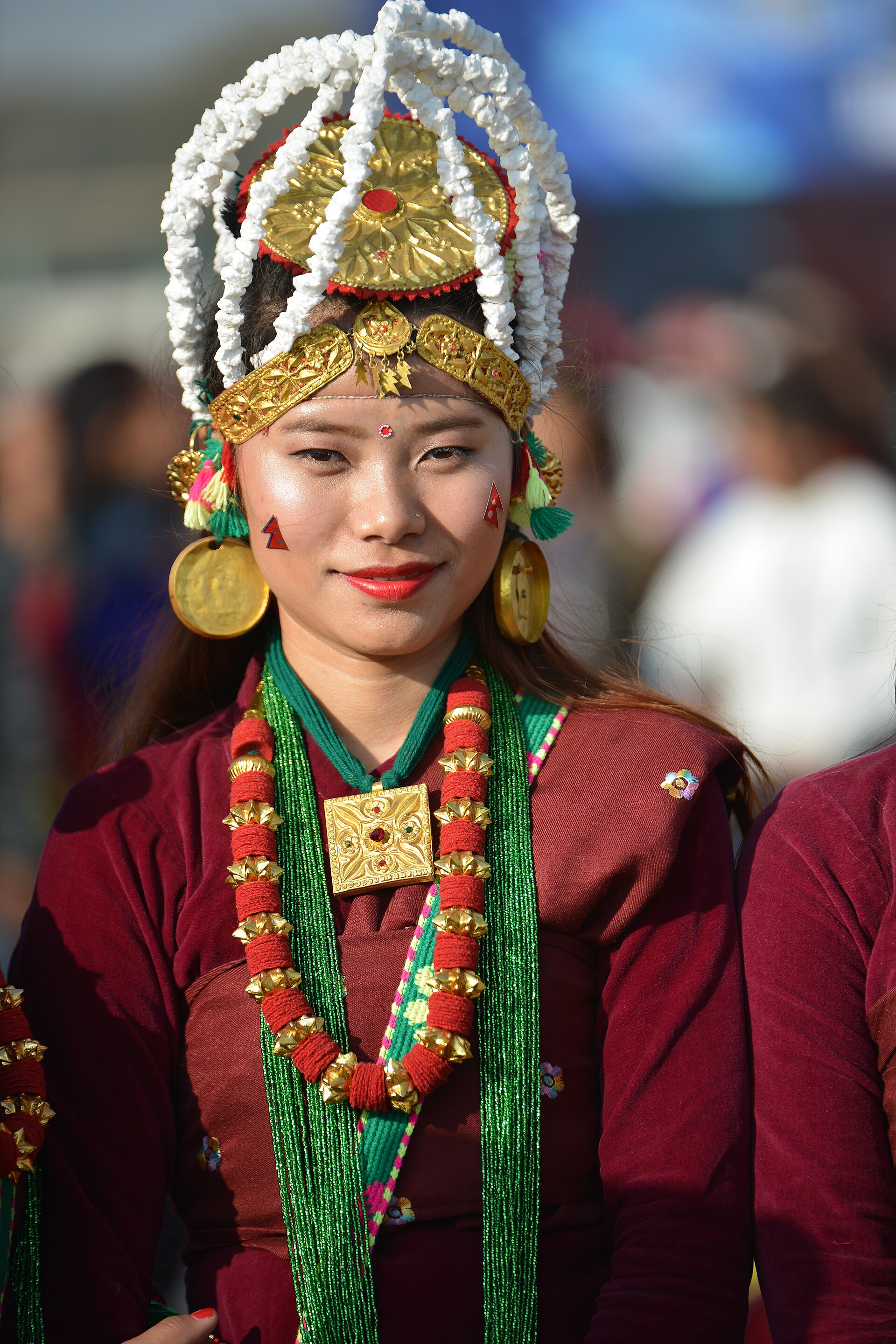
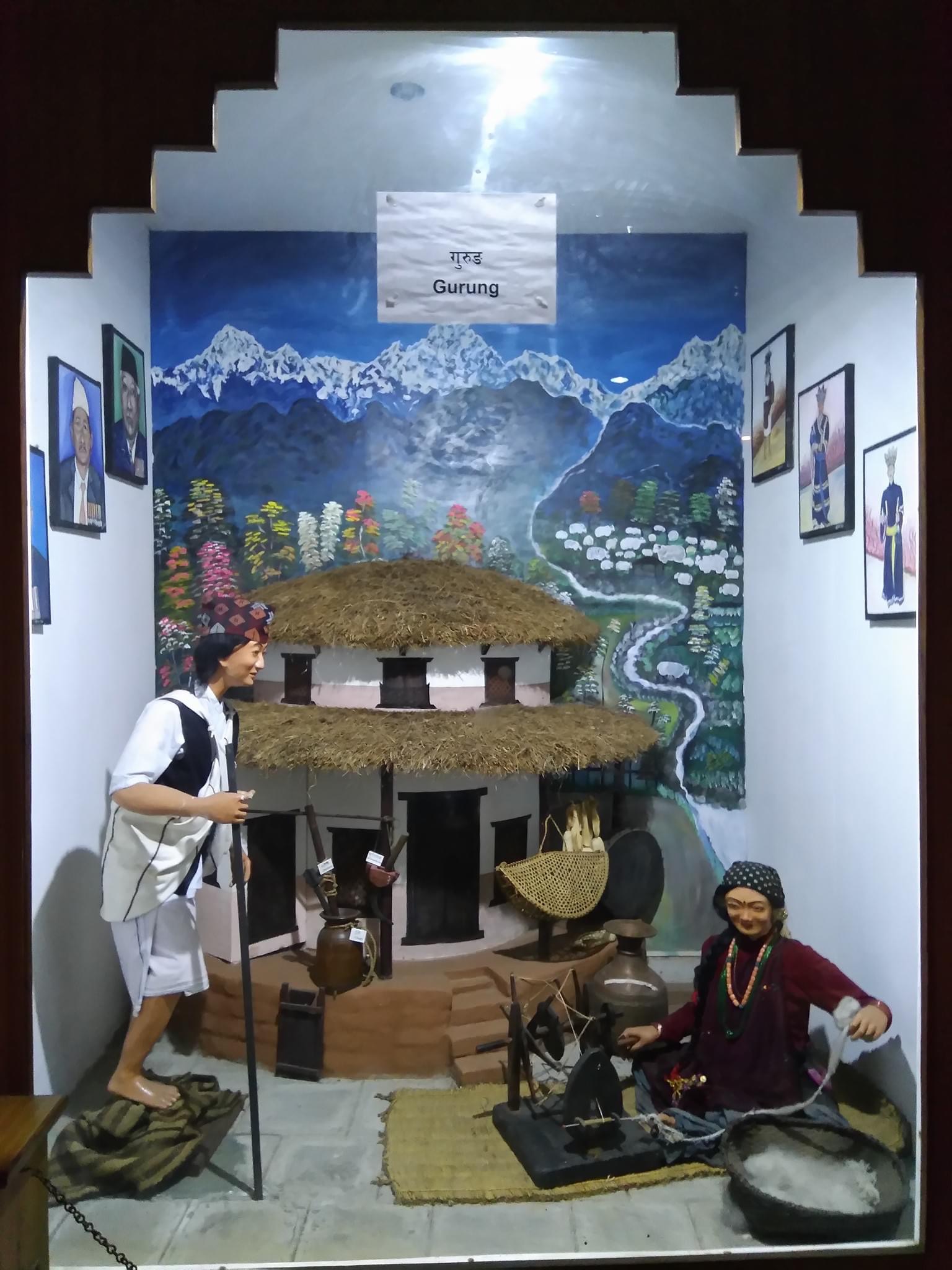
Gurung associations promoted Tamu Kyi teaching and writing, public Tamu Lhosar celebrations, support for pachyu and klyepri priests, and research into Kohla and clan history. Many also emphasised the name Tamu as the community’s own name.
Official recognition
In 2002 the Nepali government formally listed the Gurung among the recognised Adivasi Janajati. Tamu Lhosar later became a public holiday. The national census now records Gurung identity and the Gurung language separately.
The movement abroad
In Britain, Hong Kong, the United States and elsewhere, Gurung societies organise Lhosar, language classes, death rites and youth programmes. Florence Gurung’s research on Gurungs in the UK shows how religion and identity are being renegotiated far from the homeland.
Sources & further reading
1Historical Processes of Power, Knowledge, and Identity Change in Gurungs
Historical interpretation · Page-level claim citations not yet suppliedReligion and Ethnic Identity: Gurung Experiences of Belonging in the UK
Oxford doctoral thesis · Page-level claim citations not yet suppliedNational Population and Housing Census 2021: Caste/Ethnicity, Language and Religion
Government census · Page-level claim citations not yet suppliedTamu Lhosar: A Vibrant Journey into Nepal’s Indigenous Heart
Official tourism information · Page-level claim citations not yet suppliedHeritage grows through conversation.
Know a different local account, or spotted something that needs correcting?
Share your knowledge