TAMUA LIVING HERITAGE
Knowledge libraryCulture · Gurung homeland and diaspora

The Tamu calendar and the twelve lho

How the Gurung year is counted in twelve animal years, and why Lhosar marks the turn of the lho.

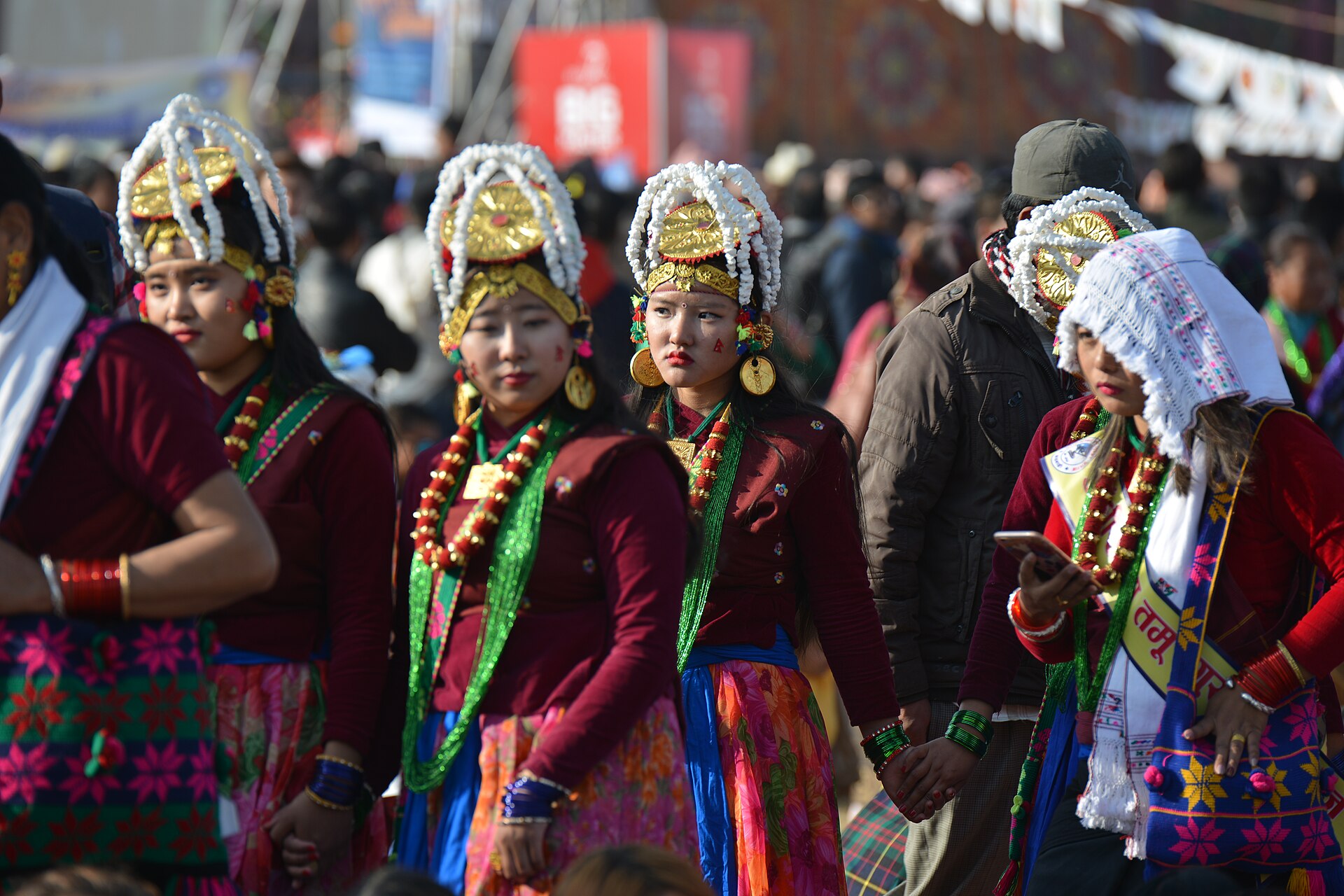
Community gathering at Tamu Lhosar, Kathmandu
Community gathering at Tamu Lhosar, Kathmandu · SPakhrin · CC BY 2.0 · Original image

Twelve years, twelve animals

Gurungs count years in a cycle of twelve lho, each named after an animal: mouse, cow (ox), tiger, cat (rabbit), eagle (dragon), snake, horse, sheep, monkey, bird, dog and deer (boar). Names can differ by village and source.

Lhosar and the new lho

Tamu Lhosar, on the 15th of Poush (around 30 December), marks the start of a new lho year. Each Lhosar celebrations announce the animal of the coming year.

Lho and personality

People often know their birth lho, and some families use it when thinking about marriage, good days for events or a person’s character.

Shared roots

The twelve-year cycle is shared with Tibetan and other Himalayan and East Asian calendars, a sign of the long cultural links across the mountains.

FOLLOW THE EVIDENCE

Sources & further reading

1
Nepal Tourism Board · 2025

Tamu Lhosar: A Vibrant Journey into Nepal’s Indigenous Heart

Official tourism information · Page-level claim citations not yet supplied
2
Alan Macfarlane & Indrabahadur Gurung · 1990 · second edition 1992

A Guide to the Gurungs (online draft; differs from published edition)

Ethnographic guide · Page-level claim citations not yet supplied

Heritage grows through conversation.

Know a different local account, or spotted something that needs correcting?

Share your knowledge
Continue exploring

Gurung people during Tamu Lhosar, KathmanduCulture
Nepal & diaspora

Tamu Lhosar: the Gurung New Year

Each year on the 15th of Poush, Gurung communities in Nepal and abroad gather to welcome a new year in the Tamu calendar.

Academic research4 min read
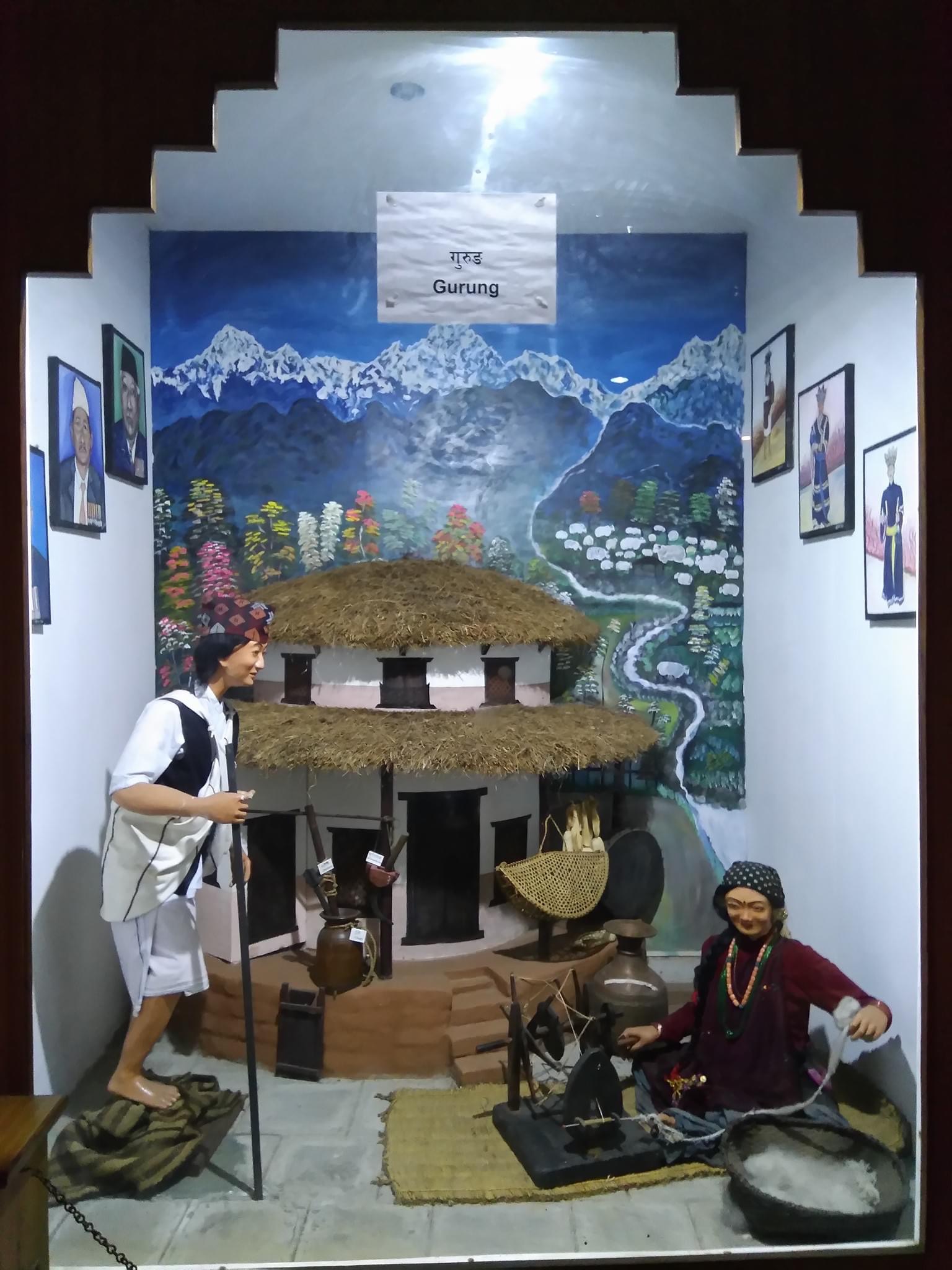
Museum display of a Gurung house and way of lifeHistory
Gandaki Province

Clans and kinship: Char Jat and Sora Jat

Gurung society has long been organised by clans (kle), often grouped into the “four clans” and “sixteen clans”, a system whose meaning is still debated.

Scholarly interpretation4 min read
Ghatu dance performers at Tamu Lhosar, KathmanduCulture
Nepal & diaspora

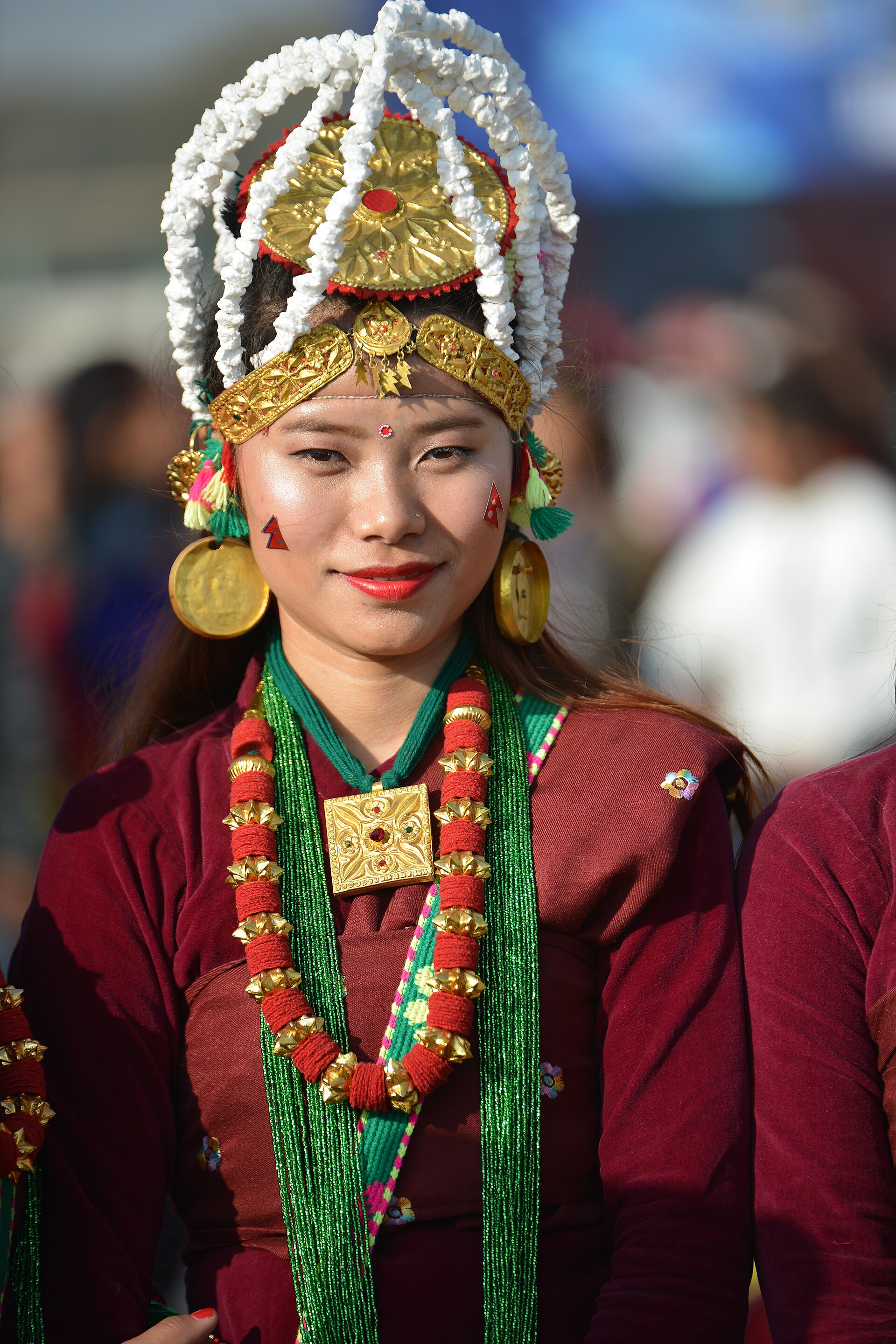
Traditional dress

Velvet blouses, coral and turquoise jewellery, and the white bhangra cloth make Gurung clothing instantly recognisable at festivals.

Scholarly interpretation4 min read