यो निबन्धको पूर्ण पाठ अनुवाद तयार हुँदासम्म अङ्ग्रेजीमा छ। अङ्ग्रेजी पाठ पढ्नुहोस्
Sheep and the high pastures
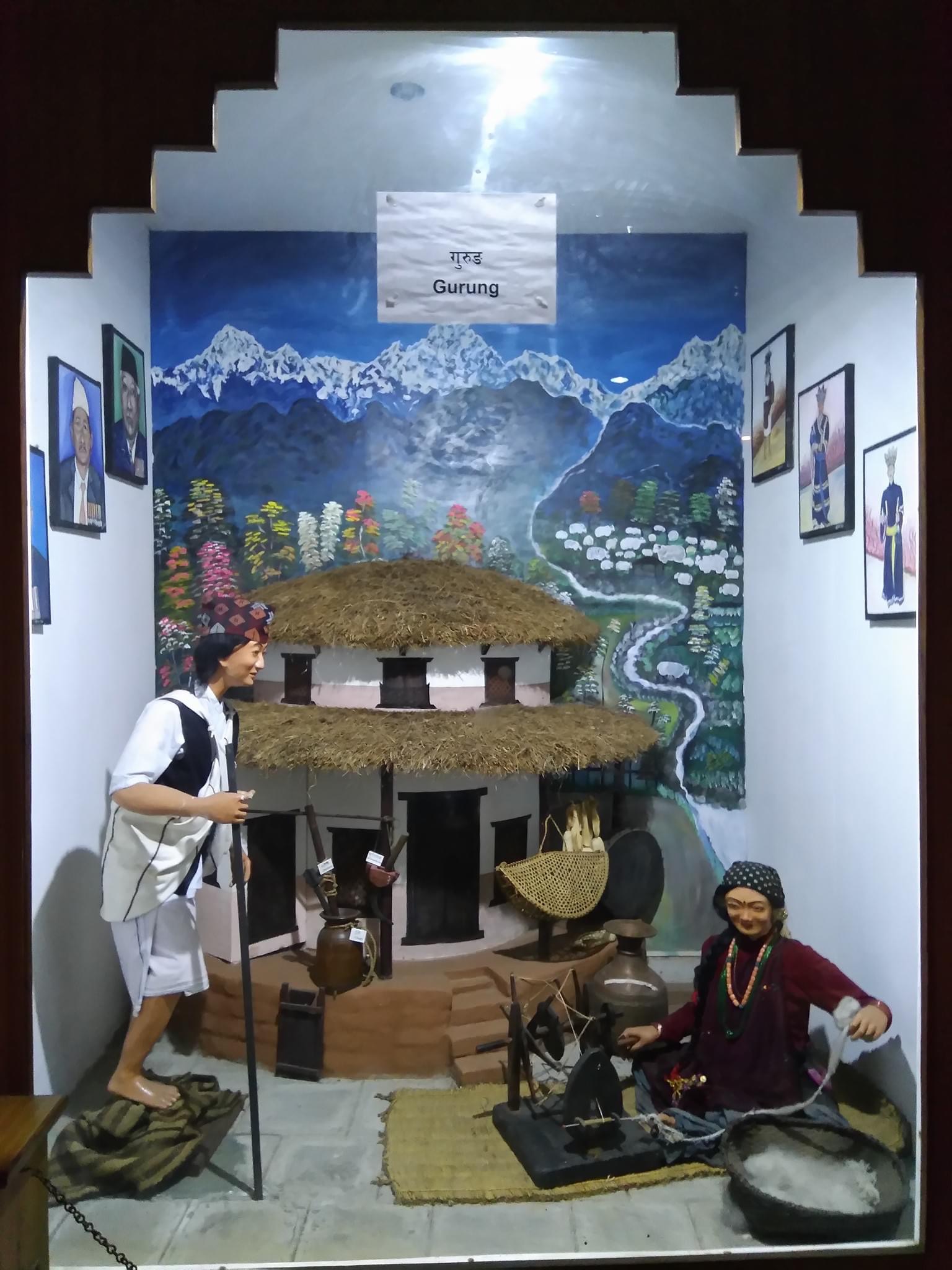
Older accounts describe Gurungs as herders who took large flocks of sheep up to high summer pastures (kharka) and brought them down to the villages in winter. Wool was spun and woven at home into blankets, the rari, and the bhangra cloth worn by men. Shepherds spent months away from the village, and herding shaped songs, stories and the yearly calendar.
Terraced fields and shared work
In the villages, families grew millet, maize, barley, buckwheat and, lower down, rice on terraced hillsides. Hard seasonal work was shared through labour-exchange groups (nogar), where neighbours worked each other’s fields in turn. Food, drink and songs at the end of the day made shared work a social event as well.
Trade routes
Gurung villages sat between the plains to the south and Tibetan-speaking areas to the north. People carried grain, wool, cloth and other goods along mountain trails and exchanged them for salt and other items. These routes connected Gurung villages with neighbouring peoples long before modern roads.
Soldiers’ pay and pensions
From the nineteenth century, money earned in the British and Indian armies became an important income for many families. Macfarlane and Gurung describe how pensions and remittances built new houses, paid for schools and slowly reduced the reliance on herding.
Tourism and the modern village
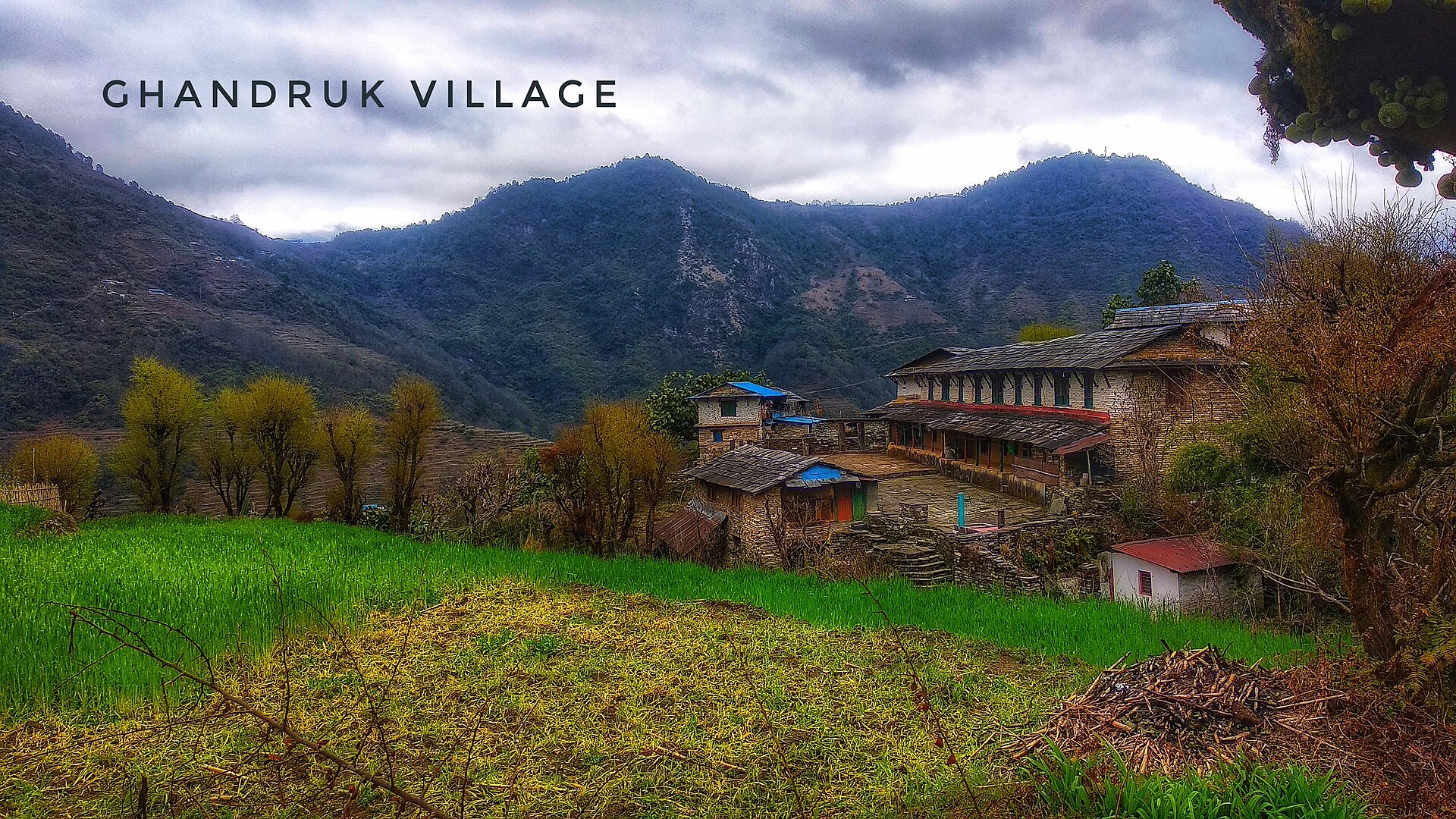
From the 1970s, trekking routes through villages such as Ghandruk brought lodges, tea houses and new jobs. Research on Ghandruk links tourism with forest conservation and community development. Today many families combine farming, tourism, foreign work and pensions, while fewer people keep large flocks.
स्रोत र थप पठन
1A Guide to the Gurungs (online draft; differs from published edition)
Ethnographic guide · पृष्ठ-स्तरका दाबीका सन्दर्भ अझै दिइएका छैनन्The World of the Gurungs
Longitudinal ethnographic book and film notes · पृष्ठ-स्तरका दाबीका सन्दर्भ अझै दिइएका छैनन्Tourism: Boon for Forest Conservation, Livelihood, and Community Development in Ghandruk VDC, Western Nepal
Livelihood research · पृष्ठ-स्तरका दाबीका सन्दर्भ अझै दिइएका छैनन्सम्पदा संवादबाट बढ्छ।
फरक स्थानीय विवरण थाहा छ, वा सुधार्नुपर्ने कुरा भेट्नुभयो?
आफ्नो ज्ञान साझा गर्नुहोस्