यो निबन्धको पूर्ण पाठ अनुवाद तयार हुँदासम्म अङ्ग्रेजीमा छ। अङ्ग्रेजी पाठ पढ्नुहोस्
A landscape of small states
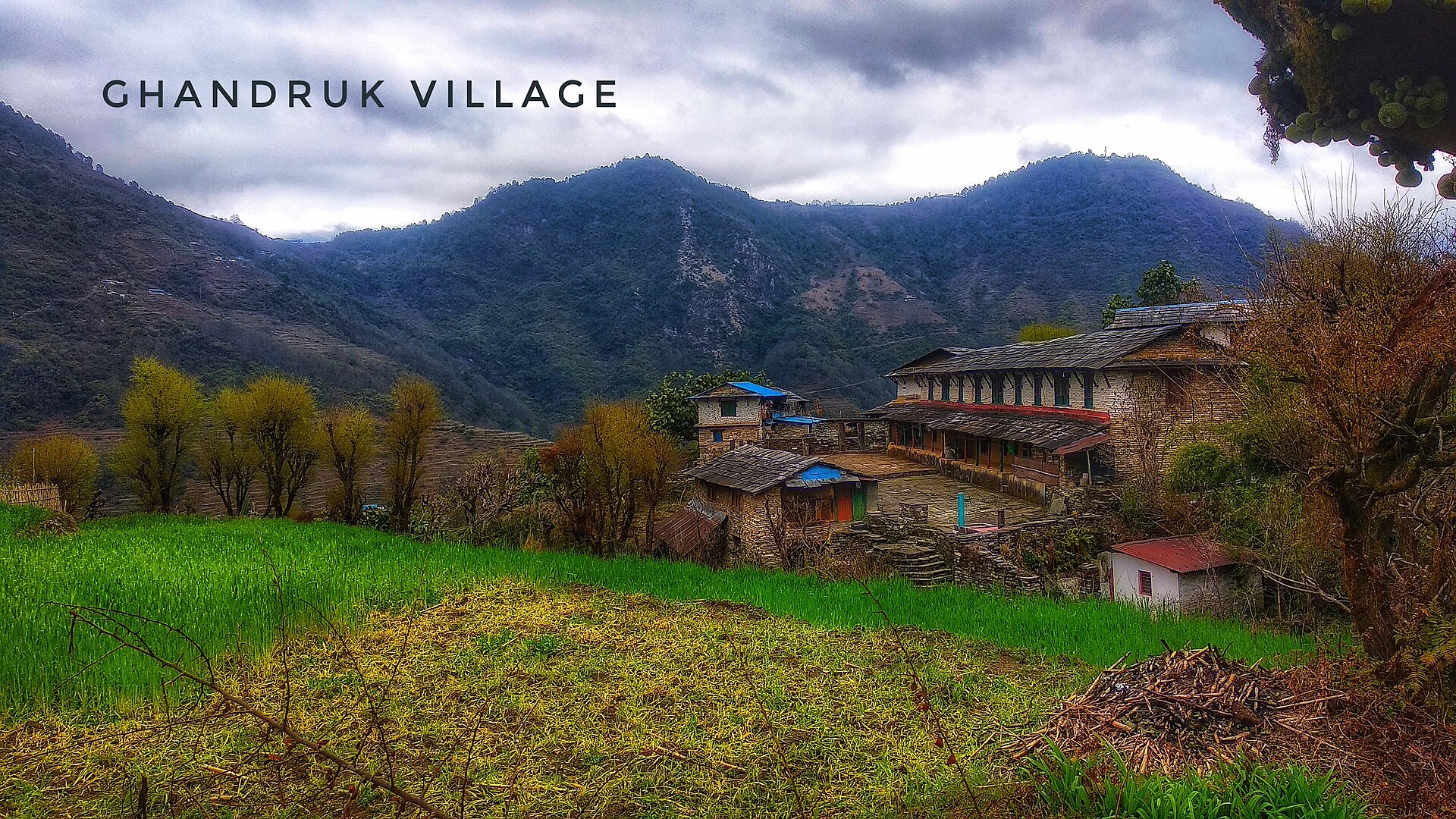
For several centuries the hills of central Nepal were divided into dozens of small kingdoms, often grouped as the Chaubisi (“twenty-four”) states. Kaski and Lamjung, which include much of the Gurung homeland around today’s Pokhara, Ghandruk, Sikles and Besisahar, were among them.
Ghale memories of rule
Many Gurung traditions remember Ghale chiefs as the earlier rulers of the region, before newer ruling lineages took power. Mani Raj Gurung’s historical study discusses how power, knowledge and identity shifted between these groups. Exact dates and events are uncertain and vary by village story.
Village life under the kingdoms
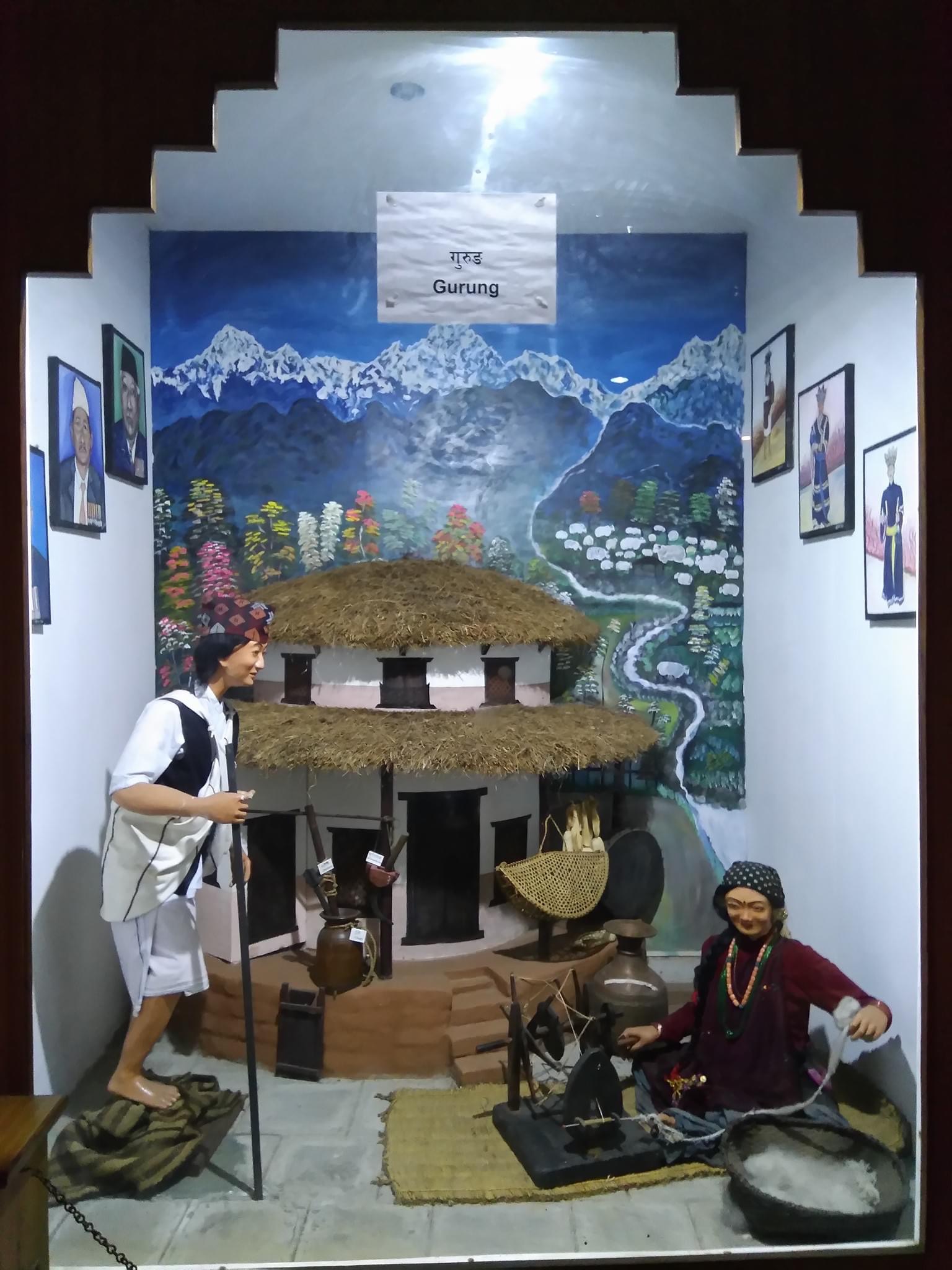
Gurung villages kept much of their own way of life: local headmen, clan customs, priests such as pachyu and klyepri, and seasonal farming and herding. Ties to the royal court came mainly through tribute, labour duties and local officials.
Lamjung and the rise of Gorkha
The Shah dynasty that later unified Nepal traced its origin to Lamjung before establishing itself in Gorkha. This makes the Gurung heartland part of the background story of the modern Nepali state, even though historians caution against reading later national history back into village life.
स्रोत र थप पठन
1Historical Processes of Power, Knowledge, and Identity Change in Gurungs
Historical interpretation · पृष्ठ-स्तरका दाबीका सन्दर्भ अझै दिइएका छैनन्A Guide to the Gurungs (online draft; differs from published edition)
Ethnographic guide · पृष्ठ-स्तरका दाबीका सन्दर्भ अझै दिइएका छैनन्सम्पदा संवादबाट बढ्छ।
फरक स्थानीय विवरण थाहा छ, वा सुधार्नुपर्ने कुरा भेट्नुभयो?
आफ्नो ज्ञान साझा गर्नुहोस्