यो निबन्धको पूर्ण पाठ अनुवाद तयार हुँदासम्म अङ्ग्रेजीमा छ। अङ्ग्रेजी पाठ पढ्नुहोस्
An institution rather than a venue label
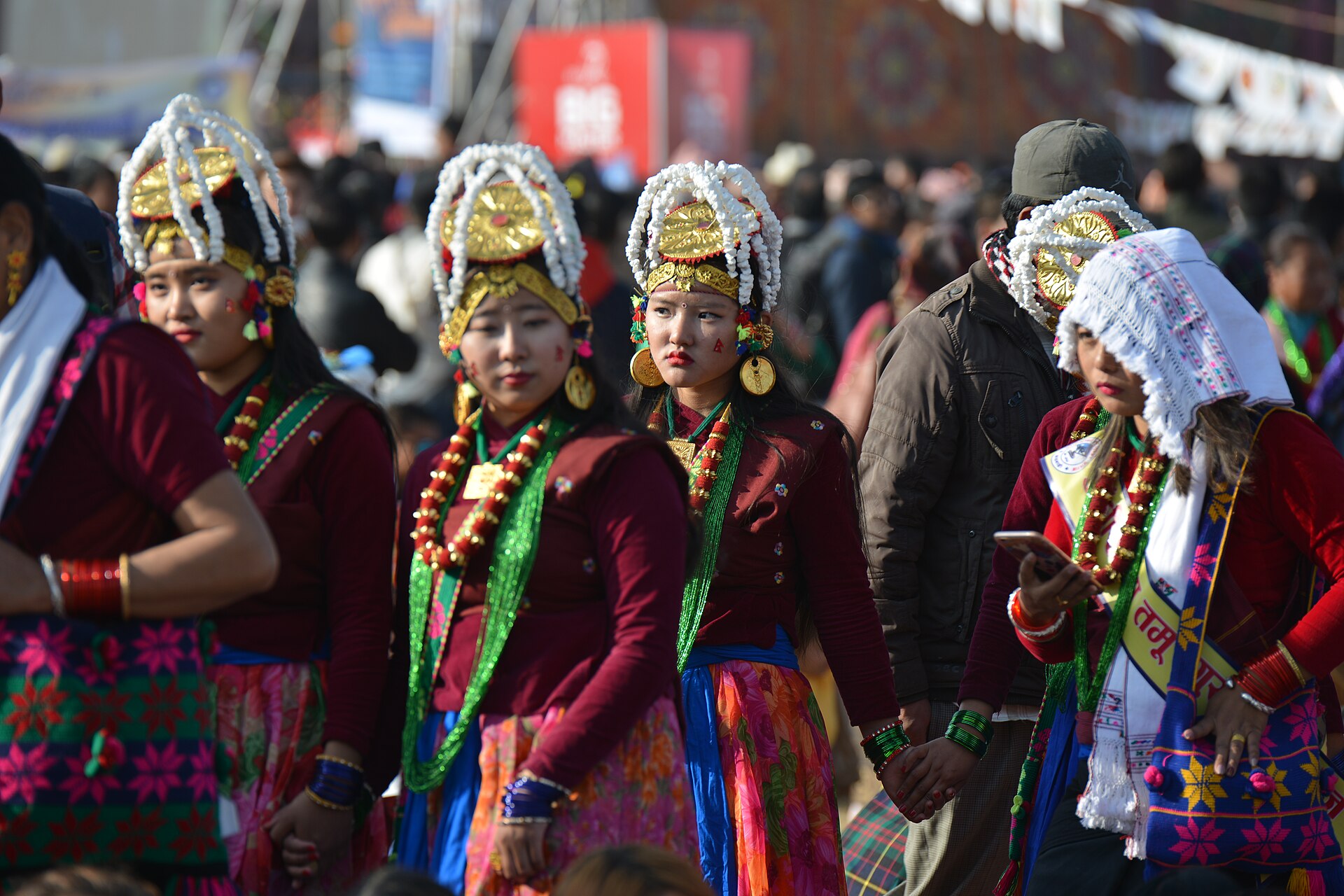
Rodhi is associated with young people gathering, singing and developing social relationships, but the older guide also connects it with practical cooperation. A group and the relationships among its members matter as much as the physical house where people meet. Calling a modern entertainment venue a Rodhi does not establish that it reproduces the village institution described by ethnographers. Local accounts are needed to understand which meanings and practices continue.
Hosts and collective responsibility
Macfarlane and Indrabahadur Gurung describe groups meeting in the home of a member’s parent or another adult who took a guiding role, called the mother or father of the Rodhi. Their account includes adult presence during visiting and overnight gatherings. This is a historically documented arrangement, not a universal specification for every Rodhi house. It also challenges outsiders’ tendency to equate mixed sociability, song and courtship with an absence of responsibility.
Singing, visiting and a wider network
The guide describes visits between groups in neighbouring villages, sometimes involving substantial walks at night and a return before daytime chores. Singing and joking created relationships across settlements as well as within a home group. Such activities help explain why Rodhi should not be reduced to a stage show or one style of duet. Its social setting could involve age peers, hosts, visitors and work companions together.
Work and leisure could overlap
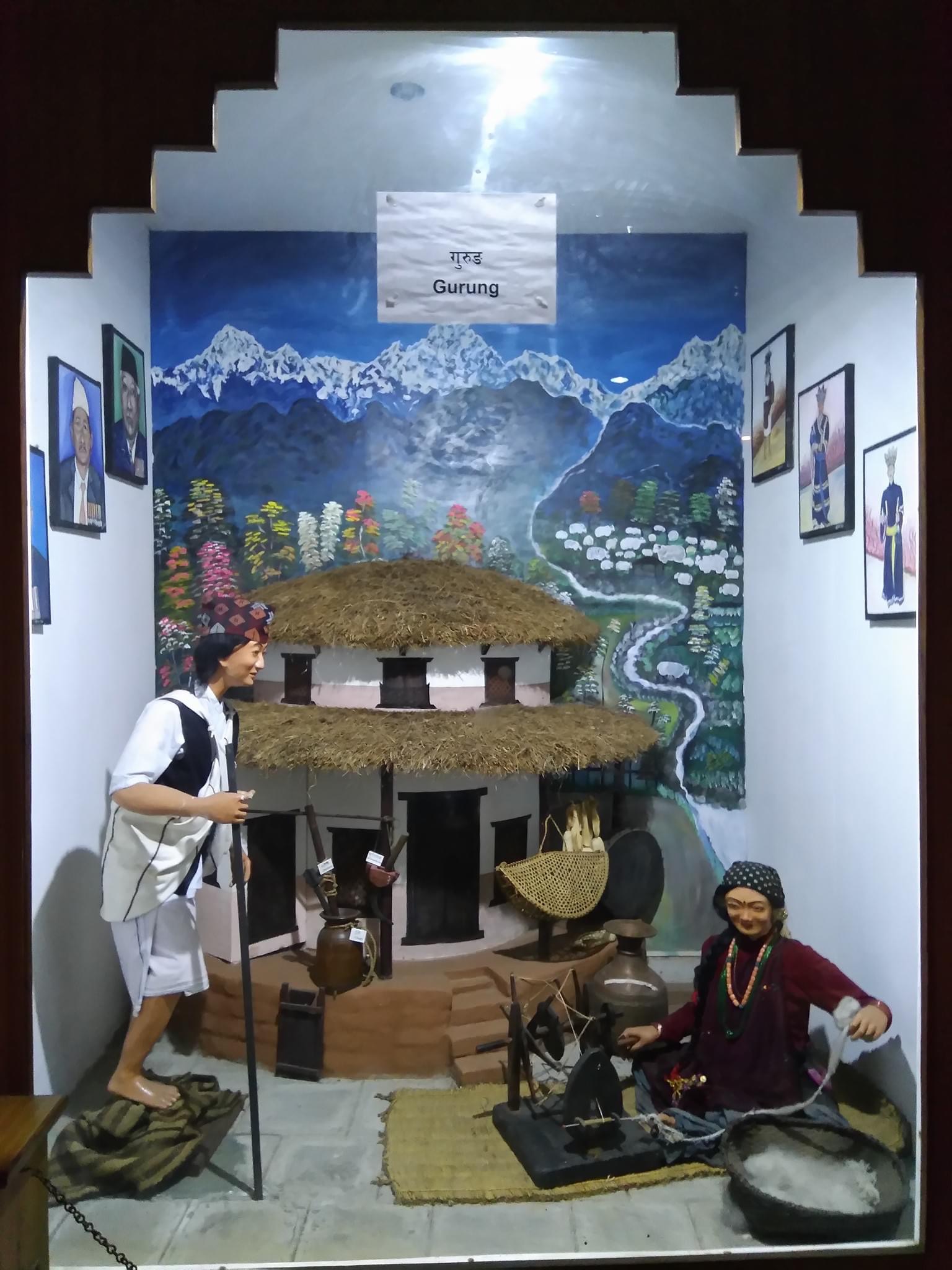
In the same account young people cooperated in practical tasks, and evening sociability could accompany processing beans or wool. The boundary between a work party and a musical gathering was therefore less rigid than a modern timetable of work and entertainment might suggest. Harrison and Macfarlane separately document exchange and paid labour groups. Those observations provide context without proving that every collective labour party was a Rodhi.
Change in Ghandruk
Saroj Raj Panta’s 2023 study examines Rodhi culture and factors in its transformation specifically in Ghandruk, Kaski. It offers a local research setting for asking how migration, new livelihoods and changing social expectations affect the institution. The older guide discusses criticism of Rodhi and the effect of young people leaving villages. Neither source proves that Rodhi has disappeared from all Gurung communities or that one cause explains change everywhere.
Remembering without romanticising
A fuller account would include former participants, current organisers, women, young people and local hosts, with the place and period identified. People may value different aspects: song, friendship, work cooperation or a sense of village belonging. Preserving the institution’s history does not require treating every older arrangement as ideal or every newer form as inauthentic. This article publishes no invented song lyrics, recordings or private accounts of courtship.
स्रोत र थप पठन
1Indigenous Rodhi Culture of Gurung and Factors of its Transform at Ghandruk Kaski in Nepal
Local cultural research · पृष्ठ-स्तरका दाबीका सन्दर्भ अझै दिइएका छैनन्A Guide to the Gurungs (online draft; differs from published edition)
Ethnographic guide · पृष्ठ-स्तरका दाबीका सन्दर्भ अझै दिइएका छैनन्The World of the Gurungs
Longitudinal ethnographic book and film notes · पृष्ठ-स्तरका दाबीका सन्दर्भ अझै दिइएका छैनन्सम्पदा संवादबाट बढ्छ।
फरक स्थानीय विवरण थाहा छ, वा सुधार्नुपर्ने कुरा भेट्नुभयो?
आफ्नो ज्ञान साझा गर्नुहोस्