यो निबन्धको पूर्ण पाठ अनुवाद तयार हुँदासम्म अङ्ग्रेजीमा छ। अङ्ग्रेजी पाठ पढ्नुहोस्
Pastoralism alongside cultivation
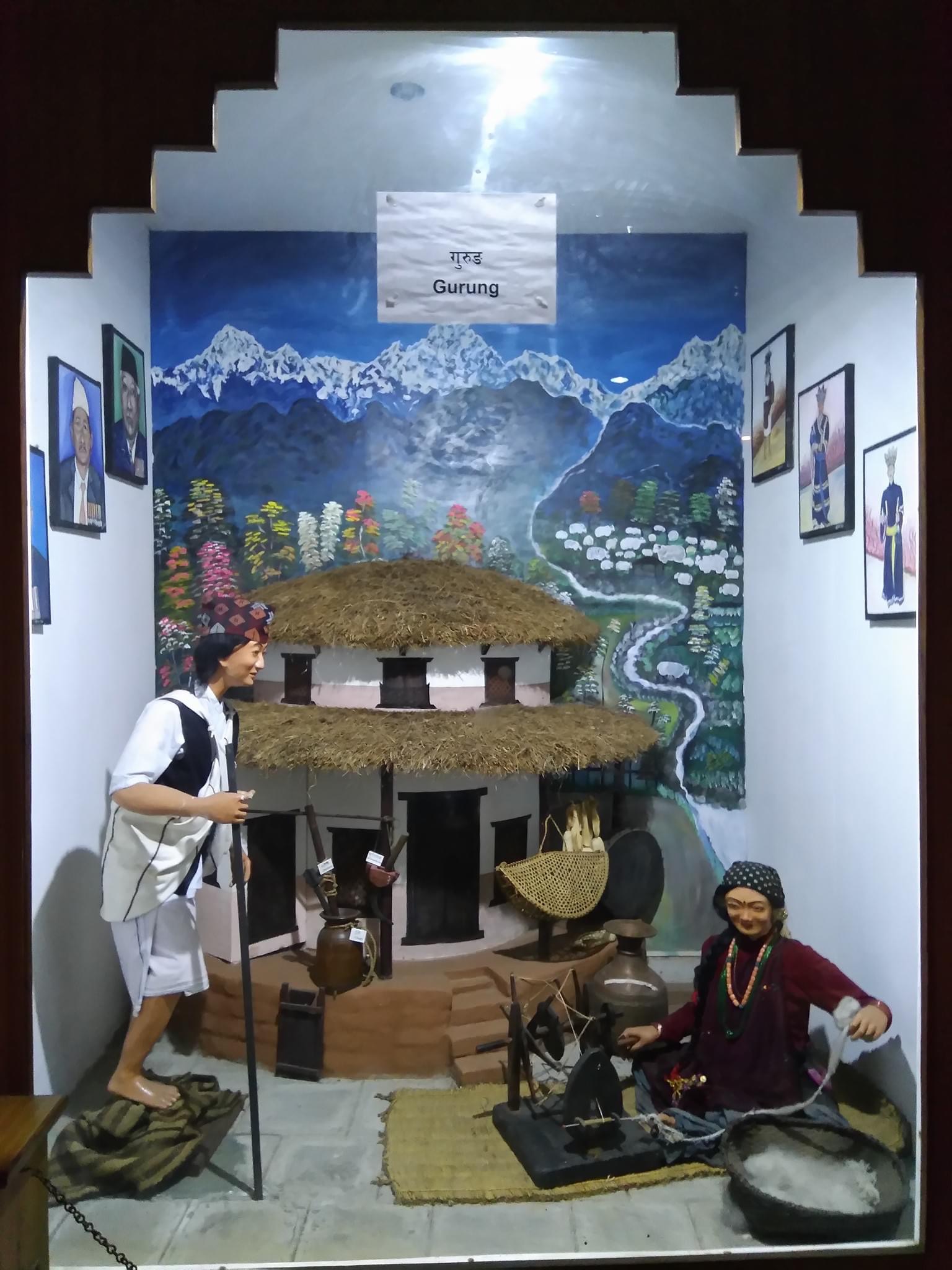
The guide describes Gurung livelihoods as combining animal husbandry and arable farming, with herding especially important in higher villages that had access to summer pasture. It names Siklis, Bhujung and Ghanpokhara as examples in its historical account. Sheep, goats, cattle and buffalo played different roles: sheep supplied wool, goats were associated with meat, and buffalo kept near houses supplied milk and manure. This is a differentiated economy, not one undivided practice of “mountain farming”.
Moving upward and returning
In the seasonal cycle described by the guide, herds moved toward higher grazing before the monsoon and returned through the forests in autumn. Shepherds from different villages occupied temporary summer encampments. The return linked animals with recently harvested fields, where grazing used crop residues and helped manure the land. These routes were recurring livelihood movements, not the same thing as the ancestral migrations remembered in ritual poetry. The precise timing and availability of pasture would depend on place and conditions.
Different kinds of daily work
A stalled buffalo and a flock in high pasture require different labour. The guide describes heavy loads of grass and leaves carried to village buffalo, whereas shepherds accompany moving flocks. Herding therefore divides tasks across a household and across seasons. The work depends on judging grazing conditions, caring for animals and negotiating access to land. An image of a snowy peak alone cannot show these relationships; the pastoral landscape includes forests, paths, fields and inhabited places as well as high mountains.
From sheep to textiles
Macfarlane and Indrabahadur Gurung describe local sheep wool being used for sturdy capes and rugs, while later imported wool supported different products. Harrison and Macfarlane’s film notes also document spinning and weaving. Livestock thus supplied material for clothing and household objects as well as food and fertility for fields. A textile’s history can reveal whether its fibre came from a local flock, a gathered plant or a purchased supply. Not all objects worn at a modern festival were made through the same production chain.
Remembered routes and changing livelihoods
These sources document a pastoral system at particular times, not its present extent. Schooling, migration, labour availability, conservation policies and markets can change how a family uses high pasture. A responsible local account would identify who herds now, which route is followed and which season the description concerns. Historical pastoral knowledge remains important even where households no longer keep large flocks, because it connects family memories and material culture with named landscapes.
स्रोत र थप पठन
1A Guide to the Gurungs (online draft; differs from published edition)
Ethnographic guide · पृष्ठ-स्तरका दाबीका सन्दर्भ अझै दिइएका छैनन्The World of the Gurungs
Longitudinal ethnographic book and film notes · पृष्ठ-स्तरका दाबीका सन्दर्भ अझै दिइएका छैनन्सम्पदा संवादबाट बढ्छ।
फरक स्थानीय विवरण थाहा छ, वा सुधार्नुपर्ने कुरा भेट्नुभयो?
आफ्नो ज्ञान साझा गर्नुहोस्