यो निबन्धको पूर्ण पाठ अनुवाद तयार हुँदासम्म अङ्ग्रेजीमा छ। अङ्ग्रेजी पाठ पढ्नुहोस्
A new idea in 1986
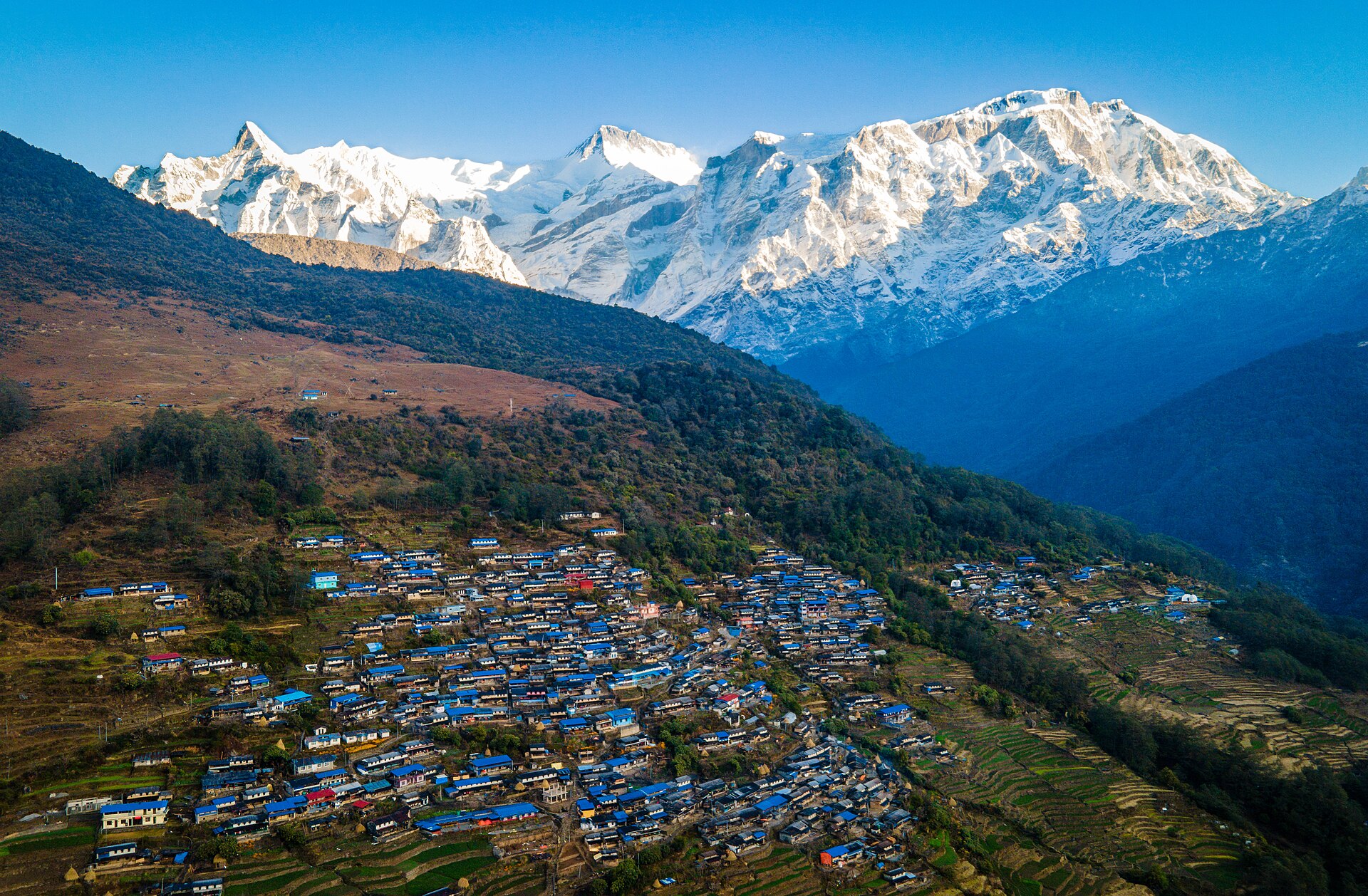
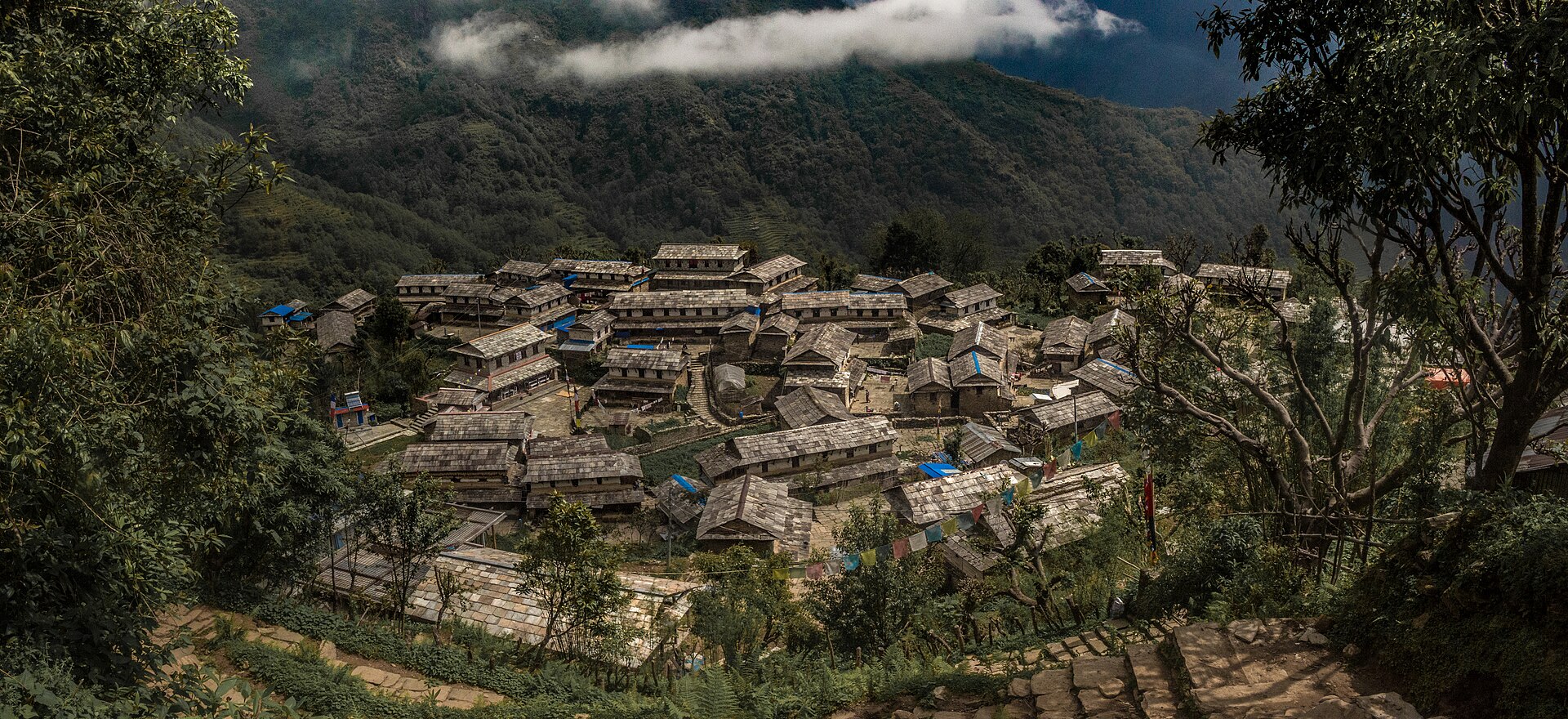
The Annapurna Conservation Area Project began in 1986, starting in Ghandruk. Instead of moving people out, it aimed to protect nature together with the communities who lived there. It became Nepal’s largest protected area.
Villages take part
Local committees helped manage forests, build trails and safe drinking water, and set rules for lodges. Money from trekking permits was used for conservation and local development.
Tourism and change
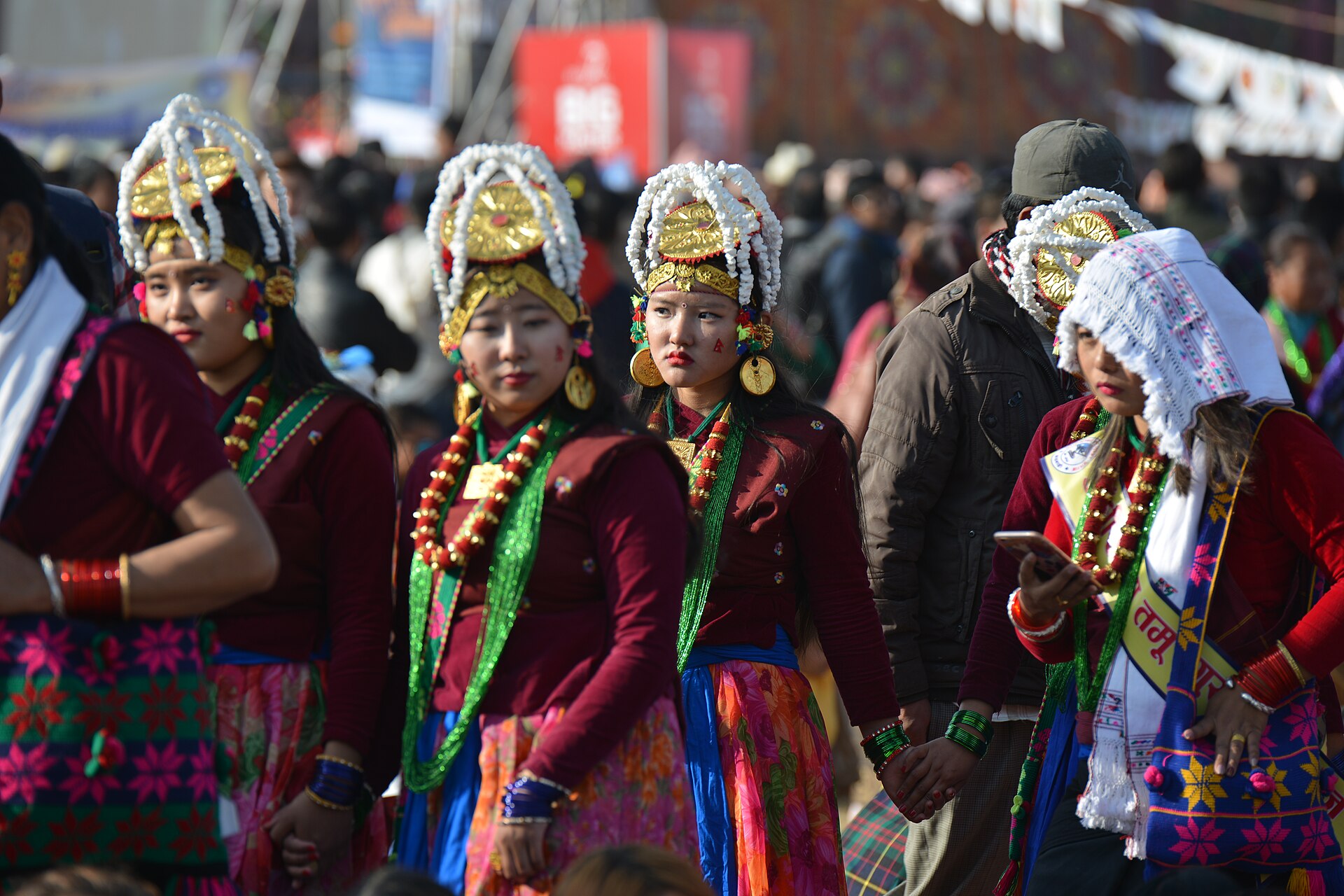
Trekking brought income to Gurung villages such as Ghandruk, Landruk and Chomrong. Many families opened lodges and tea houses. Research has found that tourism helped forests recover in places, while also changing work, food and family life.
Balancing future needs
Roads, climate change and young people moving away bring new questions. Communities continue to debate how to protect land, culture and livelihood at the same time.
स्रोत र थप पठन
1Tourism: Boon for Forest Conservation, Livelihood, and Community Development in Ghandruk VDC, Western Nepal
Livelihood research · पृष्ठ-स्तरका दाबीका सन्दर्भ अझै दिइएका छैनन्The World of the Gurungs
Longitudinal ethnographic book and film notes · पृष्ठ-स्तरका दाबीका सन्दर्भ अझै दिइएका छैनन्सम्पदा संवादबाट बढ्छ।
फरक स्थानीय विवरण थाहा छ, वा सुधार्नुपर्ने कुरा भेट्नुभयो?
आफ्नो ज्ञान साझा गर्नुहोस्